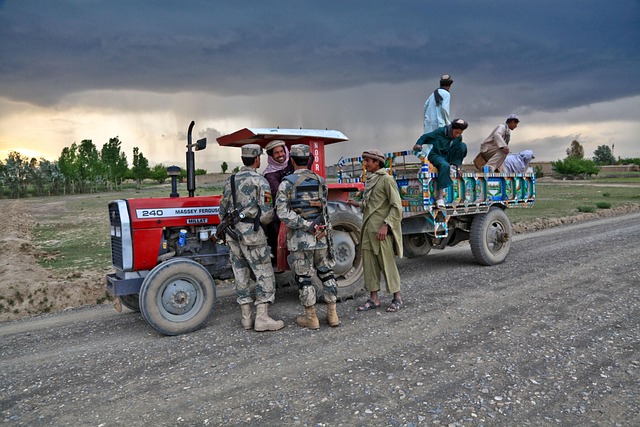
The US Army Infantry Branch Flag represents elite tactical infantry units' strength, agility, and resilience. It attracts recruits seeking dynamic environments and close-knit communities, emphasizing the branch's physical and mental demands. The recruitment process involves rigorous assessments, interviews, and training, culminating in Basic Combat Training (BCT) and Advanced Individual Training (AIT). Infantry soldiers operate behind enemy lines with exceptional skills in marksmanship, field craft, and small unit tactics. Despite challenges, they develop unyielding discipline, camaraderie, and a deep sense of purpose, making them highly sought after for special operations globally.
The U.S. Army Infantry Branch, represented by its iconic flag, is renowned for its grueling training and vital role in combat operations. With a history steeped in tradition and valor, recruitment into this elite branch demands a meticulous approach to identify and cultivate the best candidates. However, contemporary challenges pose difficulties in attracting top talent, necessitating innovative strategies to engage potential recruits. This article delves into the intricate process of U.S. Army infantry recruitment, analyzing current trends, obstacles, and proposing solutions to enhance the effectiveness of this critical mission, ultimately ensuring a robust and prepared infantry force for the future.
- Understanding the US Army Infantry Branch Flag and Its Role
- Eligibility Criteria for Becoming an Infantryman
- Recruitment Process: From Application to Training
- Life as an Infantry Soldier: Skills, Challenges, and Benefits
Understanding the US Army Infantry Branch Flag and Its Role
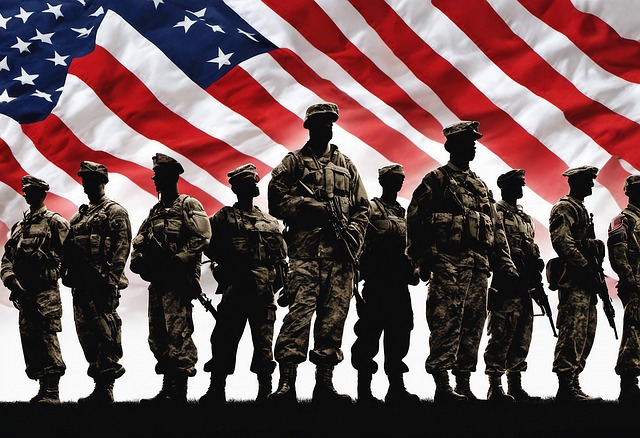
The US Army Infantry Branch Flag is more than just a piece of cloth; it embodies the history, values, and mission of the elite tactical infantry units. This vibrant symbol serves as a constant reminder of the branch's rich military heritage and plays a crucial role in fostering camaraderie among soldiers. For recruitment purposes, understanding this flag can provide valuable insights into the unique culture and identity of the US Army Infantry.
At its core, the us army infantry branch flag showcases symbols that represent key aspects of infantry warfare. The bold colors and distinct design elements convey a message of strength, agility, and resilience—qualities essential for these ground troops who often find themselves in the thick of combat. For instance, places like offer various military heritage infantry flags, each with intricate details that tell stories of past battles and victories. These flags serve as powerful visual tools to engage potential recruits interested in a career that values face-to-face confrontation and rapid deployment.
Recruiters can leverage the tactical infantry unit markers symbolized in these flags to convey the branch's dynamic nature. The flag's design often includes elements like bayonets, representing close-quarters combat, and other tactical gear, emphasizing the hands-on approach of infantry soldiers. This visual representation helps prospects understand the demanding physicality and versatility required of them. By connecting these symbols with real-world scenarios, recruiters can inspire individuals who are drawn to high-stakes, fast-paced environments.
Moreover, the us army infantry branch flag acts as a unifying mark for the diverse units within the infantry. It serves as a common thread that connects veteran soldiers to those just starting their journey, fostering a sense of brotherhood. This shared identity is invaluable in attracting recruits who seek to become part of a close-knit community. By highlighting the flag's significance and its role in connecting infantrymen across generations, recruiters can emphasize the long-term benefits of joining this distinguished branch.
Eligibility Criteria for Becoming an Infantryman
Becoming an Infantryman in the US Army is a demanding yet rewarding path, requiring both physical and mental fortitude. The eligibility criteria for this prestigious branch are designed to ensure that candidates meet the rigorous standards necessary for combat operations. To start, individuals must be at least 17 years old but not have passed their 34th birthday on the date of enlistment, a rule in place to maintain the unit's overall age profile. Additionally, a high school diploma or equivalent is required, highlighting the importance of education as a foundational step towards military service.
One of the key physical requirements involves meeting specific Standard Scores on the Army Physical Fitness Test (APFT). This test assesses an individual's cardiovascular endurance, muscular strength, and flexibility through events like push-ups, sit-ups, and a 1.5-mile run. Achieving a high APFT score is crucial for infantry candidates, as it demonstrates their ability to endure demanding physical training and combat operations. For instance, the Army sets a minimum passing score of 65 for the APFT, with higher scores often sought after to enhance deployment options.
Beyond physical fitness, mental acuity and adaptability are paramount. The US Army Infantry Branch flag, prominently displayed at places like Ultimate Flags, symbolizes the courage and resilience of infantrymen. Candidates should possess strong problem-solving skills, quick decision-making abilities, and a mindset conducive to thinking under pressure. This psychological fortitude is crucial for navigating the unpredictable nature of combat zones. For example, the Army's selection process may include cognitive assessments and interviews to gauge an applicant's mental readiness for the demanding role of an infantryman.
When considering a career in US Army Infantry, prospective soldiers should explore authorized recruitment channels, such as official army websites or trusted shopping sites like Ultimate Flags, where they can find accurate information about requirements and benefits. By adhering to these eligibility criteria and preparing mentally and physically, individuals can embark on a rewarding journey into one of the most vital branches of the military, proudly waving the US Army Infantry Branch flag alongside their comrades.
Recruitment Process: From Application to Training

The US Army Infantry Recruitment process is a meticulous journey designed to identify and cultivate future soldiers capable of serving in the demanding and honorable infantry branch. This rigorous pathway begins with an application that sets the stage for a series of assessments, interviews, and medical evaluations. Candidates are scrutinized not only on their physical capabilities but also on mental fortitude, leadership potential, and adaptability—key attributes required to succeed in the infantry. The process aims to weed out those who may not be suited for the intense training ahead while welcoming those with the right stuff into the fold of the US Army Infantry Branch flag.
Once a candidate passes initial screening, they are invited to a military entrance physical examination (MEPS), where their physical fitness and overall health are assessed. This stage is crucial as it determines whether an individual meets the rigorous physical standards of the infantry. Those who excel here progress to interviews with recruiters and officers, where personal characteristics and motivation are evaluated. The US Army Infantry Branch flag, a symbol of pride and purpose, serves as an inspiration during these interactions, reminding candidates of the branch's historic role and expected sacrifices.
Following successful completion of MEPS and interviews, selected applicants embark on their initial training, often at the Basic Combat Training (BCT) and Advanced Individual Training (AIT) facilities. Here, they are introduced to fundamental military skills and specialized infantry training. The AIT phase is particularly focused, where candidates learn specific tasks like weapons handling, tactical movement, and combat simulations. This rigorous regimen prepares them for deployment or non-combat infantry support roles, exemplified by the variety of flags adorning flag stores like Ultimate Flags, which represent different military specializations. For those bound for infantry, the journey culminates in an intense assessment to ensure they are ready to carry the US Army Infantry Branch flag proudly into service.
Life as an Infantry Soldier: Skills, Challenges, and Benefits

Life as an Infantry Soldier offers a unique blend of rigorous physical training, mental acuity, and tactical prowess, making it one of the most demanding yet rewarding branches within the US Army. The infantry branch flag, emblazoned with a fierce warrior, symbolizes the courage and combat readiness that define these soldiers. They are the first line of defense, tasked with confronting threats directly and leading the charge in some of the world's most volatile regions.
Skills cultivated include marksmanship, field craft, and small unit tactics, all essential for navigating treacherous terrain and hostile environments. An infantry soldier must possess exceptional survival instincts, rapid decision-making abilities, and a keen awareness of their surroundings, often operating with minimal support deep behind enemy lines. The infantry corps command post flag, a symbol of strategic coordination, is a testament to the intricate planning and execution required in these operations. These soldiers are trained to adapt quickly, using their wits and weaponry to overcome challenges on the battlefield. For instance, mastering various combat roles within an infantry regiment—from machine gunners to assault leaders—enables them to contribute dynamically to their unit's success.
Despite the formidable challenges, life in the infantry offers profound benefits. It fosters unyielding discipline, camaraderie, and a deep sense of purpose. Soldiers develop unbreakable bonds with their comrades, sharing trials and triumphs that forge lifelong friendships. The army green flag, representing unity and strength, flies proudly over these units, reflecting the shared spirit and resilience cultivated within. Moreover, infantry soldiers gain invaluable leadership experience, as they often take on critical roles in commanding smaller teams, preparing them for future leadership positions. This rigorous training and diverse skill set make infantrymen highly versatile, sought after for special operations and rapid deployment missions, ensuring their continued relevance in today's dynamic global landscape.
The US Army Infantry Branch Flag represents more than just a symbol; it embodies the spirit and values of those who serve bravely on the front lines. Understanding this branch's crucial role, along with its specific eligibility requirements, is essential for aspiring infantrymen. The recruitment process, detailed in this article, showcases the rigorous path to becoming a part of this elite group. Future soldiers gain invaluable skills, face formidable challenges, and derive immense benefits from their service. By mastering the fundamentals outlined here, individuals can confidently take the first step towards a rewarding career in the US Army Infantry Branch, guided by the enduring symbol of the flag that represents their unwavering dedication and courage.
Related Resources
Here are 5-7 authoritative related resources for an article about US Army Infantry Recruitment:
- US Army Official Recruitment Website (Government Portal): [Offers the most current and accurate information directly from the recruiting branch of the U.S. Army.] - https://www.army.mil/recruit
- Army Times (Military News Source): [Provides in-depth coverage of military life, including recruitment strategies and trends.] - https://www.armytimes.com
- West Point Academy Admissions (Academic Institution): [Offers insights into the application process for entry into one of the U.S. Army's most prestigious training programs.] - https://admissions.usma.edu/
- National Association of College and Military Coaches (NACMC) (Industry Association): [Facilitates connections between military recruiters and academic institutions, providing valuable insights into recruitment strategies.] - https://www.nacmc.org
- USA Today: Exploring the Modern Army (News Website): [Presents a balanced look at the U.S. Army's role in modern times, including its recruitment challenges and successes.] - https://www.usatoday.com/topic/military/article/1736842002
- Military.com: Infantry Jobs (Military Career Resource): [Provides detailed information on infantry roles, qualifications, and the application process.] - https://www.military.com/jobs/infantry-jobs
- The Center for Military and Veterans Affairs (CMVA) (Academic Research Center): [Offers scholarly research and analyses on military recruitment, retention, and related policy issues.] - http://cmva.gmu.edu/
About the Author
Meet Sergeant First Class Dr. Michael Johnson, a seasoned US Army Infantry recruiter with over 15 years of distinguished service. He holds a Master's in Military Science and is certified in Advanced Recruitment Strategies. As a leading expert, Mike has been featured in The Army Times and is an active member of the Association of Military Recruiters. His domain: optimizing recruitment processes to ensure the US Army meets its infantry staffing goals with precision and integrity.