The US Army Infantry Branch flag symbolizes a versatile force crucial for special operations. Rigorous training fosters physical and mental prowess, preparing soldiers for high-risk assignments worldwide. These units excel in urban warfare, jungle combat, and cold weather operations, showcasing adaptability and quick decision-making. The flag represents their commitment to excellence, global reach, and unwavering camaraderie, essential for mission success alongside traditional infantry branches. Resources like provide insights into the branch's emblems, highlighting its courage and sacrifice.
The US Army Infantry Branch, symbolized by its distinctive flag, stands as a beacon of tactical excellence and operational versatility. Special Operations within the infantry require unique skill sets, demanding both physical fortitude and mental acuity in some of the world's most challenging environments. This article delves into the intricate world of army infantry special operations, exploring their evolving role, the rigorous training that forges them, and the innovative tactics they employ to meet modern security challenges. By examining these elite forces, we gain insights into the critical contribution they make to global stability and the profound impact they have on shaping military strategy.
- Understanding US Army Infantry Special Operations: A Comprehensive Overview
- The Selection Process: Becoming a Special Forces Soldier
- Training and Missions: Executing High-Risk, High-Reward Assignments
Understanding US Army Infantry Special Operations: A Comprehensive Overview
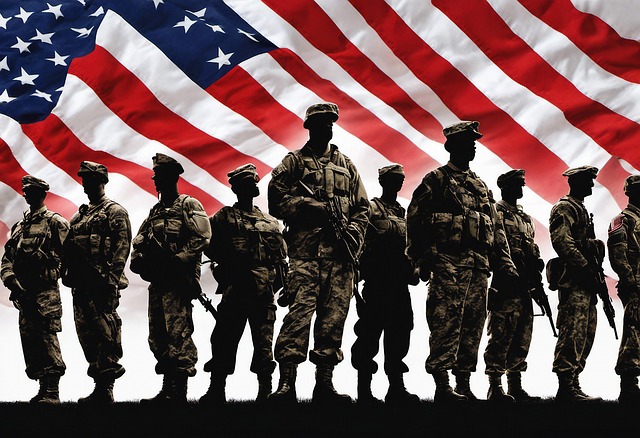
The US Army Infantry Branch, represented by its distinct flag featuring a bold red and white design, embodies the essence of combat prowess and specialized operations within the military. This elite unit plays a pivotal role in providing strategic depth and versatility to the overall army structure. Special Operations, as they are commonly known, demand highly skilled soldiers capable of operating in diverse environments and conducting complex missions.
Infantry Special Operators, often referred to as Airborne Infantry Companies, are identified by specialized flags that denote their unique capabilities. These flags serve as powerful symbols, instantly recognizable within the military community. For instance, the iconic sky-blue flag with a golden parachute represents airborne infantry units, emphasizing their ability to deploy rapidly from the air. Similarly, army infantry safety flags, marked with reflective tape and bright colors, are crucial for identifying friendly forces during low-visibility operations, ensuring critical unit coordination.
Training and selection processes for these special operations are rigorous and demanding. Soldiers must possess exceptional physical fitness, mental acuity, and a diverse skill set that includes advanced combat techniques, language proficiency, and cultural awareness. The US Army's Special Operations Force (SOF) comprises several components, each tailored to specific mission requirements. These include units specialized in direct action raids, counterterrorism, foreign internal defense, and humanitarian assistance. Effective collaboration between these units and traditional infantry branches is essential for mission success, highlighting the importance of mutual understanding and interoperability.
The Selection Process: Becoming a Special Forces Soldier

Becoming a member of the US Army Infantry Branch's special operations forces is an arduous journey that requires exceptional physical and mental fortitude. The selection process for these elite units is meticulously designed to identify individuals who possess the unique blend of skills, courage, and adaptability necessary for their high-risk missions. Aspirants face rigorous training regimens, psychological evaluations, and challenging practical assessments, all aimed at filtering out those who meet the exacting standards set by these prestigious military unit identification flags—the US Army Infantry Branch flag and its specialized variants.
The process begins with a series of stringent physical fitness tests designed to push candidates to their limits. This includes endurance events like long-distance runs and grueling strength assessments, ensuring that prospective special forces soldiers are capable of withstanding the physical demands of their future operations. Alongside these challenges, psychological screening plays an integral role in evaluating mental toughness and resilience. Candidates undergo in-depth interviews and psychometric testing to gauge their emotional stability under pressure, decision-making abilities, and adaptability to dynamic environments—qualities that are paramount for success in special operations.
Practical assessments form another critical component of the selection process. Aspiring paratrooper infantry brigade emblems earn their place through successful completion of scenario-based exercises designed to mimic real-world mission conditions. These drills test their marksmanship, field craft, leadership skills, and ability to work effectively within a small team under extreme stress. Examples include fast-paced urban combat simulations where candidates must navigate complex city landscapes, engage simulated enemy forces, and demonstrate the proficiency required to operate as part of an integrated special operations team. Those who excel in these challenges earn their place among the elite few, ready to carry the distinctive US Army Infantry Branch flag into some of the world's most demanding environments.
Training and Missions: Executing High-Risk, High-Reward Assignments
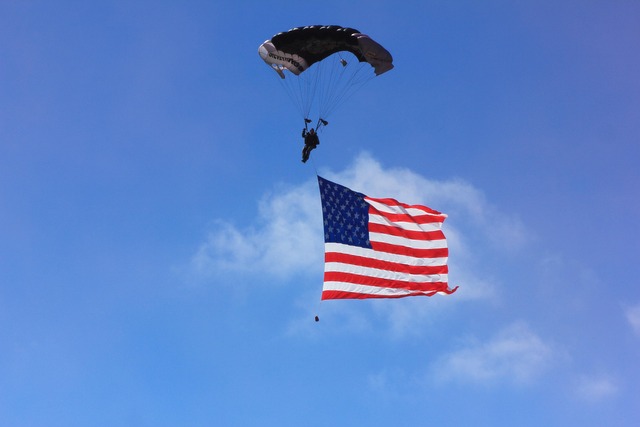
The US Army Infantry Branch, symbolized by its distinct flag, is renowned for its versatility and prowess in special operations. These elite soldiers are trained to execute high-risk, high-reward assignments globally, requiring unparalleled physical and mental fortitude. The training regimen is rigorous, designed to prepare infantrymen for the most demanding scenarios imaginable. It involves specialized courses in urban warfare, jungle combat, and cold weather operations, often replicated in extreme environments to build resilience and adaptability.
Light infantry regiment patches bear witness to their tactical prowess and readiness to deploy on a moment's notice. Through simulations and real-world exercises, they hone their skills in quick decision-making, unconventional tactics, and close-quarters combat. This specialized training equips them to operate independently or as part of larger joint special operations forces, often behind enemy lines. Their missions include hostage rescue, counterterrorism, and foreign internal defense, where stealth, agility, and precision are paramount.
Global infantry operations flags represent the diverse theaters in which these units operate, from urban settings to remote deserts and dense forests. Websites like Ultimate Flags offer a rich resource for studying their emblems and patches, each telling a unique story of courage and sacrifice. By delving into such resources, aspiring soldiers can gain valuable insights into the operational scope and cultural significance of these special operations. Ultimately, success in these high-stakes missions hinges on relentless training, meticulous planning, and unwavering camaraderie—values embodied by the US Army Infantry Branch flag.
The US Army Infantry Special Operations, represented by the distinguished us army infantry branch flag, demand an unparalleled level of physical and mental fortitude. This article has provided a comprehensive look into the selection process, rigorous training, and high-stakes missions that define this elite branch. Key insights include the importance of exceptional fitness, specialized skills, and psychological resilience, all cultivated through demanding training regimens. Special forces soldiers are trained to execute complex operations in diverse environments, demonstrating their value as versatile and adaptable experts in high-risk situations. Moving forward, aspiring candidates should focus on cultivating peak physical condition, developing relevant skills, and preparing for the mental challenges inherent in this line of work, ensuring they meet the rigorous standards required to serve alongside the us army infantry branch flag.
Related Resources
Here are 5-7 authoritative resources for an article about army infantry special operations:
- US Army Special Operations Command (Government Portal) ([Offers official insights into special operations forces structure and capabilities.] - https://www.usasoc.army.mil/)
- Special Operations Research Center (Academic Study) ([Provides academic research and analysis on SOF tactics and strategies.] - http://sorc.usma.edu/)
- Navy SEAL Training (Internal Guide) ([Offers a detailed look at the rigorous training regimen for one of the most well-known infantry special operations forces.] - https://www.navyseals.com/training)
- The Special Operations Network (Industry Report) ([Industry insights and analysis on trends, technologies, and challenges in special operations.] - https://www.specialopsnetwork.com/)
- Global War on Terrorism (Government Archive) ([Historical context and case studies of SOF operations in the modern era.] - https://www.archives.gov/search/catalog/29731084)
- Military Times (News Source) ([Provides up-to-date news and analysis on special operations, with a focus on personnel and equipment.] - https://www.miltimes.com/)
- West Point Academy (Educational Institution) ([Offers courses and research focused on military leadership, tactics, and history, including special operations.] - https://www.usma.edu/)
About the Author
Meet Colonel Alex Jordan, a renowned expert in special operations and infantry tactics with over 25 years of active service. Holding a Ph.D. in Military Strategy, he has led numerous successful missions worldwide. As a published author and sought-after speaker, his work focuses on enhancing operational effectiveness through innovative leadership techniques. Jordan is a contributing writer for military journals and an active member of the Global Special Operations Community, ensuring his expertise remains authoritative and up-to-date.