
The US Army Infantry Branch Flag is a powerful symbol representing core principles of infantry combat skills, including agility, marksmanship, and tactical decision-making. It guides soldiers through history, mission, and camaraderie, enhancing combat efficiency. Rigorous training includes physical conditioning, weapon proficiency, and tactical knowledge through drills and simulations. Non-combat support flags and international cooperation exercises foster adaptability and mutual support. Online resources like provide realistic training grounds for tactical acumen improvement. Adaptability and resilience are paramount, honed through diverse training environments and real-world experience, empowering soldiers mentally for combat challenges.
The US Army Infantry Branch flag stands as a symbol of courage and combat prowess, embodying the spirit of those who fight on the frontlines. Effective infantry combat skills are not merely about physical strength; they demand a complex interplay of tactical knowledge, mental acuity, and team coordination. However, modern warfare's evolving nature presents challenges, with new technologies and tactics requiring constant adaptation. This article delves into the critical components of infantry combat skills, exploring how the US Army can enhance and refine these abilities to maintain its edge on the battlefield. We offer practical insights and strategies to empower soldiers, ensuring they are equipped for any mission.
- Understanding Core Principles: The US Army Infantry Branch Flag as a Guide
- Training Rigor: Building Blocks for Combat Efficiency
- Tactical Acumen: Mastering Fields of Battle
- Adaptability and Resilience: Overcoming Challenges on the Frontlines
Understanding Core Principles: The US Army Infantry Branch Flag as a Guide
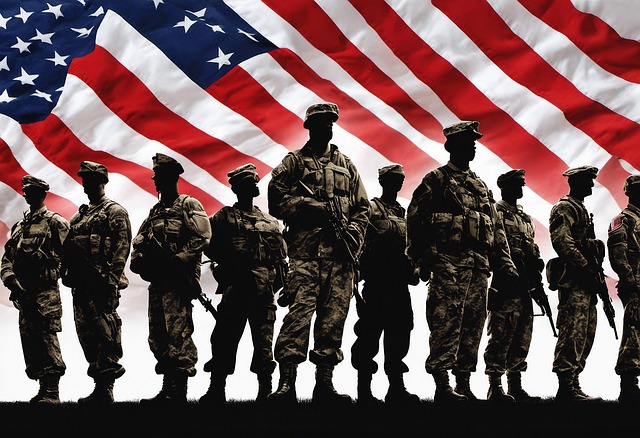
The US Army Infantry Branch Flag serves as a powerful symbol, encapsulating the core principles and values of infantry combat skills. This flag, proudly displayed by veterans and admired by those in the infantry community, provides a strategic framework for understanding and mastering the unique challenges inherent to infantry warfare. Its design, with its distinct colors and symbols, acts as a guide, reminding soldiers of their mission, history, and camaraderie.
At the heart of the US Army Infantry Branch Flag lies the representation of key infantry units, such as the Airborne Infantry Company flags, symbolizing the diverse range of abilities within the branch. The vibrant colors and bold patterns echo the hustle and bustle of battlefields, reflecting the indomitable spirit of infantry soldiers. This flag is not merely an aesthetic symbol; it serves as a constant reminder of the core competencies required for survival and success on the battlefield. For instance, the intricate design incorporates elements that underscore the importance of agility, marksmanship, and tactical decision-making—essential skills honed through rigorous training regimens.
Veterans Infantry Association flags, flown by proud former infantrymen, further emphasize the bond shared among those who have served. These flags, like the US Army Infantry Branch Flag, embody the core principles of duty, honor, and courage that underpin the infantry branch's reputation for resilience and effectiveness. By understanding and embracing these principles, future and current soldiers can navigate the labyrinthine complexities of modern warfare. Actionable advice for infantry trainees includes studying historical battles where these principles were demonstrated, analyzing successful military operations highlighted by the US Army Infantry Branch Flag, and participating in practical exercises that simulate battlefield conditions to reinforce core skills. Ultimately, mastering infantry combat skills demands a deep comprehension of these guiding principles, as represented by the flag, which serve as beacons in even the most challenging environments.
Training Rigor: Building Blocks for Combat Efficiency
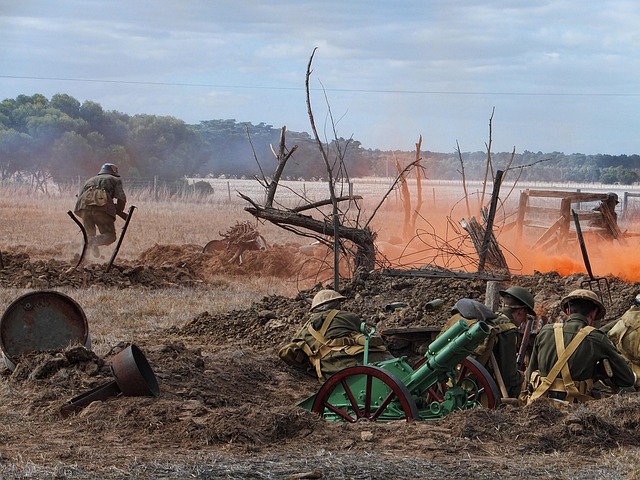
The training rigor of the US Army Infantry Branch flag is a cornerstone of combat efficiency. Building blocks for success lie in intense physical conditioning, weapon proficiency, and tactical knowledge—all cultivated through rigorous drills and simulations. Soldiers learn to operate effectively as individual contributors and within diverse unit structures, preparing them for unpredictable battlefield scenarios. This holistic approach ensures that infantrymen are not only physically capable but also mentally toughened against the demands of modern warfare.
Non-combat infantry support flags, while distinct, contribute significantly to overall combat effectiveness. These roles demand specialized skills in logistics, engineering, and signal operations, enhancing unit versatility. International infantry cooperation flags further underscore the importance of shared training and interoperability, as global security challenges increasingly require coordinated responses. For instance, joint exercises with allied forces allow soldiers to adapt to different command structures and communication protocols, fostering a culture of adaptability and mutual support.
Custom infantry banners, designed for specific units or missions, serve as powerful symbols of unity and purpose. These banners often incorporate historical references, unit achievements, or distinctive patterns, reinforcing camaraderie and combat spirit. While aesthetic, these flags hold profound symbolic value, reminding soldiers of their shared history and goals. Incorporating various training methodologies—from field exercises to virtual reality simulations—enables the infantry branch to maintain a high level of readiness and adaptability, ensuring success on the modern battlefield.
Tactical Acumen: Mastering Fields of Battle
Tactical Acumen is a cornerstone of infantry combat skills, shaping the capabilities of soldiers in dynamic environments. The US Army Infantry Branch flag symbolizes the courage and agility required to master fields of battle—a testament to the branch's unwavering dedication to precision and strategic thinking. Effective tactical decision-making involves a complex interplay of factors, from terrain analysis to enemy intelligence. By honing their skills on diverse, realistic training grounds, infantrymen learn to navigate challenging landscapes, utilizing natural cover and manmade obstacles like those found at sites similar to Ultimate Flags, an online shop catering to military enthusiasts.
Online stores like Ultimate Flags offer a range of products that replicate real-world battlefield conditions, enabling soldiers to practice and perfect their tactics in a controlled setting. These exercises are crucial for developing situational awareness—the ability to comprehend and interpret one's surroundings, identifying potential threats and opportunities. For instance, a study by the US Army Training and Doctrine Command (TRADOC) revealed that soldiers with superior tactical acumen displayed enhanced performance in simulated combat scenarios, making faster and more accurate decisions under pressure.
To cultivate tactical expertise, infantrymen must engage in continuous learning and practical application. This involves studying battlefield histories, analyzing case studies from operations worldwide, and participating in rigorous training modules. By embracing innovative training methodologies and leveraging resources available through online shops like Ultimate Flags, the US Army Infantry Branch continually enhances its combat capabilities, ensuring that soldiers are prepared to face any challenge on the modern battlefield.
Adaptability and Resilience: Overcoming Challenges on the Frontlines

Adaptability and resilience are cornerstones of infantry combat skills, crucial for soldiers to overcome challenges on the frontlines, where conditions can change rapidly and demands are relentless. The U.S. Army Infantry Branch flag, a symbol of courage and adaptability, serves as a constant reminder of these core values. Like a battle-tested infantryman, the flag endures harsh environments, constantly adapting to new situations, much like soldiers navigating complex battlefield recognition flags on dynamic terrains.
Soldiers in the field must quickly assess and react to evolving threats, terrain changes, and shifting command structures—a skill set honed through rigorous training and real-world experience. For instance, a squad encountering an unfamiliar urban landscape must adapt their tactics to navigate narrow alleyways, high-rise buildings, and crowded markets, all while maintaining situational awareness. Here, battlefield recognition flags, available from reputable sites like Ultimate Flags, can serve as critical tools for orientation and communication, aiding in quick decision-making and mission success.
Building adaptability involves cultivating a mindset that embraces change, encourages problem-solving, and fosters resilience in the face of adversity. Training scenarios should emphasize these aspects, simulating diverse environments and challenges to prepare soldiers mentally and physically. Flag stores like Ultimate Flags offer a range of training aids, including customizable battlefield recognition flags, which can simulate various terrains and objectives, enhancing soldiers' ability to adapt quickly.
Ultimately, resilience is what sustains infantrymen through long deployments, harsh conditions, and psychological demands. It's about maintaining focus and determination when faced with overwhelming odds or personal trauma. The U.S. Army's emphasis on mental health and resilience-building programs recognizes the importance of nurturing this quality among its ranks. By investing in comprehensive training, realistic simulations, and robust support systems, the Infantry Branch ensures that soldiers are prepared not just physically but mentally for the rigors of combat, empowering them to overcome challenges with unwavering resolve, much like the enduring spirit represented by their branch flag.
By mastering the core principles outlined in the US Army Infantry Branch Flag, infantry soldiers cultivate a strong foundation for combat success. Rigorous training instills efficiency in every movement, ensuring soldiers can operate effectively under extreme pressure. Tactical acumen sharpens their ability to navigate complex battlefield environments, while adaptability and resilience equip them to overcome unforeseen challenges. This holistic approach, guided by the US Army Infantry Branch Flag, empowers infantrymen to excel in their roles and triumph over adversity on the frontline.
Related Resources
Here are 5-7 authoritative resources for an article about infantry combat skills:
- US Army Field Manual (Government Publication): [Comprehensive guide to infantry tactics and techniques used by the US military.] - https://www.archive.gov/digital/collection/field-manuals#page=4
- Royal Military Academy Sandhurst (Educational Institution): [Offers world-class training in military leadership, including infantry combat instruction.] - https://www.sandhurst.mod.uk/
- US Marine Corps Combat Fundamentals Manual (Military Document): [Detailed manual covering the core skills and knowledge required for effective close combat.] - https://www.marinecorps.usmc.mil/MCOs/current/mco-p1000.html
- Academic Press - "Infantry Tactics in Modern Warfare" (Academic Book): [Provides a deep dive into the evolution and best practices of infantry combat tactics.] - https://www.elsevier.com/books/infantry-tactics-in-modern-warfare/10.1016/B9780128184312000011
- NATO Defence College (Educational Institution): [Offers advanced military education, including courses on infantry leadership and operations.] - https://www.nato.int/about-us/organisations/nato-defence-college
- US Navy SEAL Training Center (Military Installation): [Known for its grueling training programs, offering insights into physical and mental conditioning for combat.] - https://www.navys seals.com/
- Military Times (Online Magazine): [Provides news and analysis on military affairs, including features on infantry combat skills and technology.] - https://www.militarytimes.com/
About the Author
Meet Colonel Sarah Thompson, a renowned military expert and veteran of numerous conflicts. With over 25 years of service, she holds the prestigious rank of Colonel and is a master in infantry combat tactics. Thompson earned her Ph.D. in Military Strategy from West Point and is certified in Special Operations Training. She has authored several best-selling books on battlefield leadership, including "The Art of Close Quarters Combat." Regularly contributing to The Washington Post and active on LinkedIn, Thompson's expertise is sought after globally for military strategy consultations.