
The US Army Infantry Branch Flag represents combat readiness, valor, and unity among infantry soldiers. It symbolizes:
- Resilience through bold colors and symbols like bayonets, rifles, and the motto "Always Ready."
- Combat Skills: Expertise in navigation (using maps, compasses), PPE usage, weapon training (handguns, rifles, machine guns), and first aid.
- Mental Resilience: Demanding physical and psychological training, peer support, and mental health programs for special forces units.
- Legacy: The flag fosters camaraderie, preserving the shared history and service legacy of infantry veterans.
The US Army Infantry Branch, under its colorful flag, is renowned for its versatility and combat prowess, operating at the forefront of military operations. However, amidst the chaos and high-stakes nature of their missions, ensuring infantry safety remains paramount. Despite robust training, the dynamic nature of modern warfare presents unprecedented challenges, highlighting the critical need for a comprehensive review of safety protocols. This article delves into the intricate world of army infantry safety protocols, offering an in-depth analysis to fortify their preparedness and mitigate risks on the battlefield.
- Understanding the US Army Infantry Branch Flag: Symbolism & Role
- Personal Protective Equipment: Essential Gear for Infantry Soldiers
- Navigation Skills: Mastering Topographic Maps & Compass Use
- Combat First Aid: Lifesaving Techniques for the Infantryman
- Weapons Training: Handguns, Rifles, and Machine Guns Proficiency
- Mental Health & Resilience: Coping with Stress in Infantry Roles
Understanding the US Army Infantry Branch Flag: Symbolism & Role
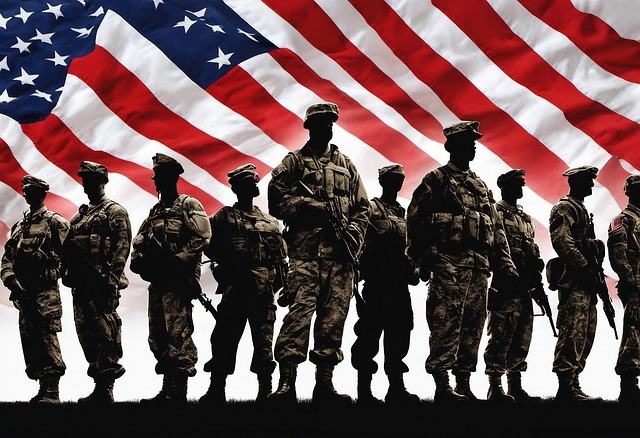
The US Army Infantry Branch Flag serves as more than just a piece of cloth; it embodies the values, history, and purpose of the elite infantry units within the US Army. Understanding this flag's symbolism is crucial for anyone delving into the rich heritage of the infantry branch. The flag typically features bold colors and distinct symbols, each holding profound meaning. For instance, the distinctive green and black color scheme represents the unit's resilience and readiness in diverse environments, echoing the motto "Always Ready."
Central to the design is often a depiction of iconic weapons and gear, symbolizing the infantry's combat prowess. These may include bayonets, representing close-quarters combat, and rifles, signifying precision and long-range engagement. Special forces infantry unit flags, such as those found at reputable online stores like Ultimate Flags, similarly incorporate these elements to honor their unique roles in global operations. The flag may also display the branch's crest or emblem, further emphasizing its legacy and honor.
Moreover, the US Army Infantry Branch Flag serves as a unifying symbol for infantry soldiers worldwide. It fosters a sense of camaraderie among those who have pledged to fight on the frontlines, protecting their country and its values. This symbolism transcends individual units, creating a bond between special forces infantry units, both active and veteran. For instance, online platforms similar to Ultimate Flags offer these flags as a means for veterans to connect and share stories, preserving the legacy of their service long after their tours are complete. Ultimately, understanding and appreciating the US Army Infantry Branch Flag provides an essential glimpse into the heart of the infantry's combat-ready spirit and enduring dedication to defense.
Personal Protective Equipment: Essential Gear for Infantry Soldiers

Personal Protective Equipment (PPE) is a cornerstone of safety for US Army Infantry soldiers, playing a vital role in safeguarding against both combat hazards and non-combat injuries. The US Army Infantry Branch, known for its fierce spirit represented by the iconic paratrooper infantry brigade emblems, recognizes the importance of high-quality PPE across all units, including reserve infantry companies (1-3). This equipment is not merely optional; it's a crucial component in the daily operations and long-term well-being of infantry soldiers.
The range of PPE for US Army infantrymen is extensive and includes everything from robust body armor to specialized eye and ear protection. For instance, the latest generation of body armor, designed with input from experienced infantry units, offers enhanced protection without compromising mobility—a critical factor in the fast-paced environment where these soldiers operate. Non-combat infantry support flags, a symbol of their diverse roles, often fly alongside unit emblems, reminding all involved of the varied tasks that require specialized PPE.
In training and combat scenarios, proper use of PPE significantly reduces the risk of trauma-related injuries. Studies show that infantrymen equipped with appropriate PPE sustain fewer injuries during live-fire exercises and real-world operations. Regular maintenance and replacement of gear are essential practices, ensuring each soldier has access to top-tier protection. The US Army Reserve Infantry Units, known for their adaptability and readiness, prioritize PPE as a key enabler in their mission to respond swiftly and effectively to any call.
To maximize the benefits of PPE, infantry soldiers should be educated on its proper selection, fitting, and utilization. This includes understanding the different types of body armor, how to secure equipment for optimal protection, and recognizing when additional gear is necessary. By embracing these safety protocols and utilizing their PPE as intended, US Army Infantry soldiers can better navigate the challenges they face, both on the battlefield and in support roles, ensuring their safety and mission success.
Navigation Skills: Mastering Topographic Maps & Compass Use
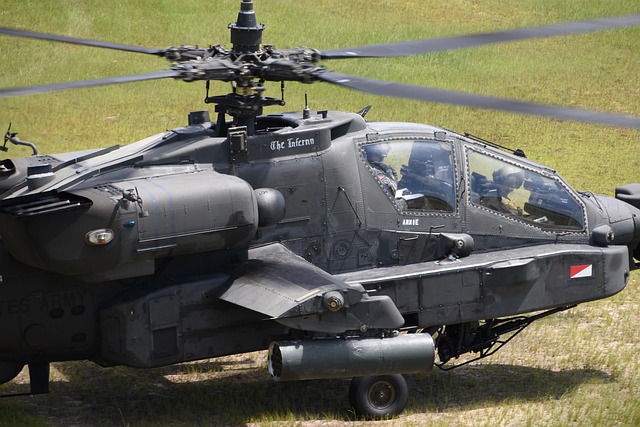
Navigating unfamiliar terrain is a critical skill for US Army Infantry Branch soldiers, as it directly impacts mission success and individual safety. Mastering topographic maps and compass use is an essential aspect of this skill set, enabling infantry regiments to move effectively across diverse landscapes. Topographic maps provide detailed information about elevation, vegetation, water bodies, and man-made structures, allowing soldiers to anticipate terrain changes and plan efficient routes. The US Army Green Flag, a symbol of excellence, represents the proficiency required in navigating these challenges.
Infantry regiment flags, like those representing special forces infantry units, signify specialized training and unique operational capabilities. Soldiers must learn to interpret map symbols and legends accurately, understanding the nuances of different representations of natural and artificial features. For instance, a green line on a map might indicate a forest edge, while a red dot could represent a potential enemy position. Compasses, though seemingly simple tools, demand precision in use. Soldiers should practice setting and resetting their compasses to ensure accurate orientation, especially when navigating through dense foliage or urban environments where magnetic interference is common.
Practical exercises, such as field training exercises (FTXs), play a pivotal role in honing these skills. FTXs often involve navigating complex courses with various obstacles, mimicking real-world scenarios. During these simulations, soldiers learn to orient themselves using natural landmarks and compensate for factors like magnetic declination. The ability to navigate accurately under pressure is invaluable, ensuring infantry units can execute missions swiftly and efficiently while minimising risks associated with disorientation. Regular training and a deep understanding of topographic maps and compasses are key to achieving the high standards demanded by the US Army Green Flag.
Combat First Aid: Lifesaving Techniques for the Infantryman

Combat First Aid is an indispensable skillset for every US Army Infantryman, a critical component of their training and ongoing preparation for the diverse challenges faced on modern battlefields. The infantry branch, known for its rugged nature and frontline role, prioritizes self-reliance and rapid response in life-or-death situations. This fosters a deep sense of military heritage among infantrymen, who proudly carry forward the traditions and resilience of their predecessors. The US Army Infantry Branch flag symbolizes this spirit, reminding soldiers of their integral role in defense and the unwavering courage required to protect their fellow warriors.
When faced with combat injuries, quick and effective first aid can be a matter of life and death. Infantrymen are equipped with specialized medical kits tailored for battlefield conditions, reflecting the evolving nature of global infantry operations. These kits include advanced bandaging techniques, hemorrhage control devices, and trauma care tools, all designed to stabilize injured soldiers until they can receive more comprehensive medical attention. For instance, the application of tourniquets to arrest severe bleeding has saved countless lives in recent conflicts, a testament to the adaptability and resourcefulness of infantry medics.
Beyond technical skills, combat first aid emphasizes mental preparation and situational awareness. Infantrymen must be adept at recognizing signs of trauma, both physical and psychological, and providing appropriate comfort and care while evacuating casualties from hostile environments. This demanding role requires unwavering focus under extreme stress, a skill honed through rigorous training and real-world experience. The infantry combat patch, earned through successful completion of these challenging courses, is a symbol of resilience and expertise that instills pride among soldiers who wear it.
As global military operations continue to evolve, so too do the challenges faced by infantrymen. Staying current with advanced first aid techniques and adapting to the dynamic nature of battlefield medicine is crucial. Regular training, continuous learning, and an understanding of the unique considerations of different geographic regions and cultures are essential components of a comprehensive safety protocol. By embracing these practices, US Army Infantrymen can confidently face the uncertainties of combat, knowing that they possess the knowledge and skills to provide lifesaving aid until help arrives—a true testament to their dedication and military heritage.
Weapons Training: Handguns, Rifles, and Machine Guns Proficiency

Weapons training is a cornerstone of army infantry safety protocols, ensuring soldiers are proficient in handling various firearms. The US Army Infantry Branch flag symbolizes the unit's commitment to excellence and combat readiness. Handguns, rifles, and machine guns form the triumvirate of infantry weaponry, each requiring specific training regimens. Soldiers must master not just their operation but also safe storage and handling procedures, as these weapons are both powerful and potentially deadly.
Handgun proficiency, a cornerstone of individual defense, involves rigorous practice with pistols like the M1911A1 or Glock models. Soldiers learn to aim, fire accurately under stress, and perform quick reloads. Websites similar to Ultimate Flags offer realistic training aids, including life-size targets and obstacle courses, enhancing the realism and effectiveness of handgun training. Machine guns, such as the M240B, demand a deeper understanding of group dynamics and tactical positioning due to their high rate of fire and significant recoil. Regular drills on firing ranges, where army infantry safety flags mark designated zones, help soldiers maintain skill levels in both calm and chaotic scenarios.
Rifle proficiency, often involving the M16A2 or AR-15 series, focuses on accuracy at varying distances. Soldiers engage in long-range shooting competitions to hone their skills, with infantry regiment honor flags celebrating exceptional marksmen. Safety remains paramount; soldiers learn to perform routine maintenance and inspect weapons for malfunctions before every firing session. Regular evaluation ensures that each infantryman achieves mastery over their assigned firearms, contributing to the overall readiness of the unit. By adhering strictly to army infantry safety protocols and training regimens, units can confidently deploy, knowing their soldiers are equipped to face any challenge with precision and safety.
Mental Health & Resilience: Coping with Stress in Infantry Roles
The demands of infantry service within the US Army place immense pressure on soldiers' mental fortitude, making resilience and robust coping mechanisms paramount to success. Infantry branches, such as the 75th Ranger Regiment or the Special Operations Forces, are renowned for their grueling training and rapid-response nature—requirements that can take a significant toll on an individual's psychological well-being. This is where non-combat infantry support flags play a vital role in fostering an environment of care and resilience within these elite units.
Soldiers in active combat zones or engaging in special operations often face unique challenges, including prolonged separation from loved ones, intense physical training, and the constant threat of danger. The US Army Infantry Branch Flag embodies the spirit and dedication of these service members, serving as a powerful reminder of their collective strength and resilience. Building on this symbolic strength, unit commanders should prioritize mental health awareness programs that educate soldiers on recognizing and managing stress-related issues, such as post-traumatic stress disorder (PTSD).
To support these efforts, online flag stores similar to Ultimate Flags can provide specialized patches, like the Special Operations Infantry Patch, which not only serve as visual reminders of accomplishments but also as tools for camaraderie and psychological resilience. These patches can foster a sense of belonging within the unit, reinforcing positive mental health outcomes. Additionally, peer support systems and regular debriefing sessions have proven effective in helping soldiers process traumatic events and develop coping strategies. By integrating these practices alongside traditional physical training, infantry units can cultivate an all-encompassing approach to building mental resilience among their ranks.
The US Army Infantry Branch Flag serves as a powerful symbol, representing the courage and resilience of infantry soldiers. Throughout this article, we've explored critical safety protocols essential to their well-being and mission success. From personal protective equipment to combat first aid, navigation skills, weapons training, and mental health coping strategies, each section highlights the comprehensive nature of infantryman preparation. Key takeaways include the importance of proficiency in various gear and weaponry, navigating complex environments with topographic maps and compasses, and cultivating mental resilience to manage stress. By embracing these protocols and understanding the significance of the US Army Infantry Branch Flag, soldiers can approach their roles with enhanced confidence and preparedness, ready to overcome any challenge on the battlefield or beyond.