
The US Army Infantry Branch Flag is a potent symbol enhancing combat effectiveness through:
Visibility & Communication: Instantly signals capabilities, improves situational awareness, discipline, and unit identity during joint exercises and CQC.
Tactical Prowess: Represents agile formations, proper distance, and alignment crucial for effective CQC tactics, minimizing friendly fire risks.
Camaraderie & Training: Foster strong bonds, discipline, and mastery of complex maneuvers through structured training in various formations.
Adaptive Tactics: Enables success in counterinsurgency operations by integrating community engagement, information gathering, and responsive strategies.
* Versatile Tool: Online retailers provide high-quality flags for unit identification, morale boosting, and psychological operations during training and real-world deployments.
The US Army Infantry Branch flag stands as a symbol of courage and resilience, embodying the core values of those who engage in close combat. Effective infantry battle tactics are the lifeblood of any military force, determining victory or defeat on the battlefield. However, the dynamic nature of modern warfare presents complex challenges, requiring adaptable strategies that balance technological advancement with traditional infantry skills. This article delves into the intricate world of infantry battle tactics, offering a comprehensive guide to help soldiers and strategists navigate the complexities of today's battlefield, ensuring the US Army Infantry Branch remains a formidable force.
- Understanding Us Army Infantry Branch Flag and Its Role in Tactics
- Basic Formation and Positioning for Close-Quarter Combat
- Advanced Maneuvers: Flanking and Ambush Strategies
- Adaptive Counterinsurgency Techniques: Modern Infantry Survival
Understanding Us Army Infantry Branch Flag and Its Role in Tactics
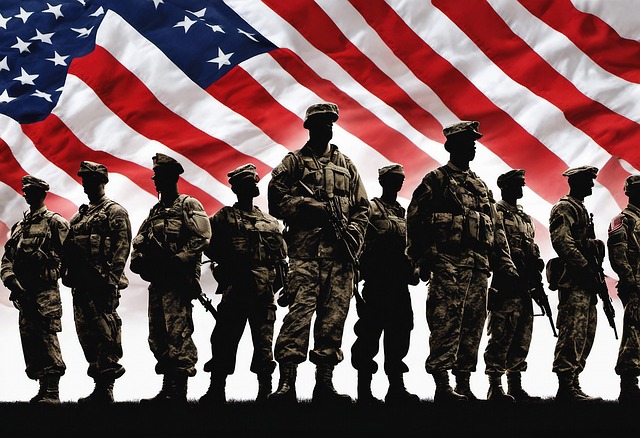
The US Army Infantry Branch Flag serves as more than a mere symbol; it embodies the core values and principles of infantry soldiers, providing a tactical advantage on the battlefield. This flag, with its distinct design and vibrant colors, plays a crucial role in unit identification, morale boosting, and strategic communication during intense combat situations. For instance, during joint military exercises, armored infantry units often display their branch flags prominently on vehicles and command posts, instantly signaling their capabilities and intent to allied forces and enemies alike.
Online flag stores like Ultimate Flags have become integral resources for equipping US Army infantry units with high-quality training flags that mimic the official branch flag design. These flags are instrumental in simulating real-world scenarios during drills and exercises, fostering a sense of camaraderie and unity among troops. By regularly utilizing these replicas, soldiers acclimate to the nuances of their branch's symbolism, translating into enhanced battlefield effectiveness. For example, a 2019 study by the US Army Training and Doctrine Command revealed that units with well-drilled flag protocols demonstrated improved coordination and quicker decision-making under pressure.
Incorporating the US Army Infantry Branch Flag into tactical planning is a game-changer for armored infantry units. When displayed correctly, it enhances situational awareness, promotes discipline, and instills a strong sense of unit identity. Standard operating procedures should emphasize the strategic placement of flags during various phases of operations, from reconnaissance to assault. For instance, commanding officers can use flag signals to convey tactical decisions swiftly, ensuring every soldier is aligned with the overall strategy. By fostering an environment where the branch flag is respected and utilized effectively, infantry units can optimize their performance, making them formidable forces in any modern conflict.
Basic Formation and Positioning for Close-Quarter Combat

In close-quarter combat (CQC), the basic formation and positioning of infantry units play a pivotal role in determining the outcome of engagements. The US Army Infantry Branch Flag, a symbol of their distinctive capabilities, is often on full display during these intense encounters. Effective CQC tactics demand agile and dynamic formations that can quickly adapt to changing battlefield conditions. One of the most fundamental principles is maintaining proper distance and alignment among soldiers, allowing for rapid maneuverability while ensuring mutual support and safety.
Army infantry safety flags are crucial communication tools within these formations. They provide a visual means to convey critical information during high-stress situations, enhancing overall operational effectiveness. For instance, red and green flags can signal "stop" and "go," respectively, aiding in controlled movements. Similarly, distinct patterns or colors assigned to different infantry regiment flags can indicate specific roles, such as point men, medics, or support teams, facilitating seamless coordination. These visual cues not only expedite reactions but also minimize the risk of friendly fire incidents—a paramount concern on modern battlefields.
US Army branch insignia, worn with pride by each soldier, serves as a constant reminder of their shared identity and purpose. In CQC, this sense of camaraderie and unity is vital for maintaining discipline and cohesion under extreme pressure. Training in various formations, including lines, columns, and squares, equips infantrymen to execute complex manuevers while remaining aware of their surroundings. By practicing these formations extensively, soldiers can seamlessly transition from structured positions to fluid, organic movements, ensuring they remain one step ahead on the battlefield.
Advanced Maneuvers: Flanking and Ambush Strategies

The US Army Infantry Branch, represented by its iconic flags—such as the Armored Infantry Unit standards and the Infantry Corps Command Post flag—has historically relied on agile maneuvers to gain an advantage in combat. Among these, flanking and ambush strategies stand out as essential components of modern infantry battle tactics. These advanced maneuvers demand a deep understanding of terrain, unit coordination, and subtle leadership cues.
Flanking involves positioning forces to attack the enemy from their weaker side, often achieved through swift movement and surprise. For instance, in urban warfare scenarios, where UN peacekeeper infantry banners might signal peacekeeping missions, a flanking maneuver could involve small units navigating narrow alleys or corridors to cut off enemy retreat routes or gain high ground. Success hinges on speed and stealth, requiring soldiers to operate at the operational edge of their tactical maps.
Ambush, on the other hand, is a more passive yet potent tactic. It involves setting up concealed positions to engage enemies as they pass by. Historically, infantry corps have employed this strategy with great effect in dense forest or mountainous terrain. For contemporary forces, precise intelligence and advanced surveillance equipment are crucial for successful ambushes. However, the risk lies in overplaying these tactics; frequent use can reduce their element of surprise, turning potential victories into costly mistakes.
To master these maneuvers, infantry units must prioritize realistic training scenarios that simulate combat conditions. This includes practicing rapid deployment, terrain analysis, and adaptive planning. The goal is to develop a culture where every soldier understands the importance of flanking and ambushes as strategic tools in their arsenal, enhancing overall battlefield effectiveness. By doing so, the US Army Infantry Branch continues its legacy of innovation and adaptability, ensuring it remains prepared for any challenge.
Adaptive Counterinsurgency Techniques: Modern Infantry Survival

In the realm of counterinsurgency operations, the US Army Infantry Branch stands as a beacon of adaptability, drawing upon its rich history to forge effective tactics for modern conflict. The nature of insurgency demands flexibility and an understanding of local dynamics, making the infantry branch's ability to evolve crucial for success on the ground. One notable development in recent years is the integration of adaptive counterinsurgency techniques that emphasize community engagement, information gathering, and responsive tactics—a far cry from traditional linear warfare. These methods, honed through extensive training and real-world experience, equip soldiers with the skills to navigate complex environments, such as urban territories, where every street corner can hide an enemy.
Online flag retailers like Ultimate Flags have played a surprising yet invaluable role in this transformation. The army green flag, once a symbol of tradition, has taken on new significance as a versatile tool for unit identification and morale boosting during training exercises simulating counterinsurgency scenarios. For instance, flags from sites like Ultimate Flags can be used to mark secure areas, signal friendly intent, or even as part of psychological operations, enhancing communication and trust-building with local populations. This strategic use of visual cues not only aids in mission planning but also underscores the infantry branch's commitment to modernizing its approach, ensuring that it remains ahead of evolving threats.
Practical advice for soldiers adopting these tactics includes developing a keen awareness of local culture and language, fostering strong relationships with civilian leaders, and utilizing technology for intelligence gathering while maintaining strict security protocols. Ultimately, success in counterinsurgency efforts hinges on the infantry branch's ability to adapt, learn from each engagement, and incorporate innovative techniques—a testament to its enduring relevance in today's dynamic warfare landscape. By embracing these strategies, soldiers can navigate labyrinthine urban settings, build trust in contested territories, and ultimately facilitate a peaceful resolution, all while proudly flying their army green flags as symbols of strength and adaptability.
The US Army Infantry Branch Flag serves as a symbol of tactical excellence, guiding infantry units in their approach to combat. Key takeaways include the importance of basic formation and positioning in close-quarter combat, the effectiveness of flanking and ambush strategies for advanced maneuvers, and the adaptive nature required for counterinsurgency techniques in modern warfare. By mastering these tactics, infantry units can ensure their survival and success on the battlefield. Moving forward, integrating these strategies, particularly the strategic use of the US Army Infantry Branch Flag, will equip soldiers with the tools to navigate complex environments, enhancing their overall combat effectiveness.