
The US Army Infantry Branch Flag symbolizes combat readiness, tradition, and unity. It represents infantrymen's skills and achievements, with specific unit flags honoring diverse roles. The flag guides soldiers through tactical maneuvers, enhancing communication and camaraderie. Training, including Advanced Combat Skills and marksmanship, ensures preparedness. Effective leadership, teamwork, and regular training are vital for infantry success, reflecting the flag's spirit.
The US Army Infantry Branch, symbolized by its distinctive flag, is renowned for its agility and versatility in combat. Effective tactical manuals are the lifeblood of infantry units, providing crucial guidance on everything from weapons handling to unit tactics. However, with constantly evolving technologies and warfare strategies, existing manuals struggle to keep pace, leaving soldiers without the most up-to-date tools to navigate modern battlefields. This article delves into the critical need for revised and enhanced tactical manuals tailored to the challenges faced by today's infantrymen, ensuring they are equipped with the knowledge and skills required to excel under any condition.
- Understanding the US Army Infantry Branch Flag and its Heritage
- Essential Tactics for Basic Field Maneuvers and Navigation
- Advanced Combat Skills Training: Weapons Handling and Marksmanship
- Leadership and Teamwork: Building a Strong Infantry Unit
Understanding the US Army Infantry Branch Flag and its Heritage
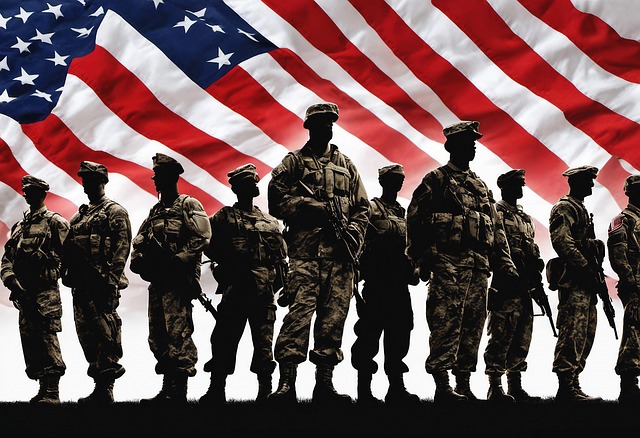
The US Army Infantry Branch Flag stands as a powerful symbol of combat readiness, tradition, and unity within the esteemed Infantry Branch. This iconic flag, featuring distinct elements, encapsulates the branch's rich heritage and diverse operational roles. At its heart lies the robust US Army branch insignia, a symbol of pride for all infantrymen, representing their unique skill set and unwavering dedication to defense. The flag's design also incorporates elements that honor specific units, such as Airborne Infantry Company flags, highlighting the branch's adaptability and prowess in airborne operations.
The historical context behind these tactical manuals and flags is profound. Throughout US military history, infantry units have been at the forefront of every major conflict, often facing the brunt of enemy fire. As a result, the US Army infantry training flags have served as visual indicators of unit status, readiness, and battle accomplishments. These flags, displayed during training exercises and missions, foster camaraderie and serve as powerful reminders of the sacrifices made by those who came before. For instance, the vibrant colors and distinctive patterns on airborne infantry company flags evoke the spirit of previous jumps, where soldiers braved unfamiliar territories, securing vital objectives.
Understanding and appreciating these symbols is essential for new recruits and seasoned veterans alike. It instills a sense of belonging and encourages the passing down of traditions. When participating in drills or parades, properly displaying and recognizing the US Army branch insignia and its various iterations becomes a ritual that strengthens the bond between soldiers. This practice not only ensures the preservation of history but also inspires future generations to uphold the highest standards set by their predecessors.
Essential Tactics for Basic Field Maneuvers and Navigation
The US Army Infantry Branch flag, a symbol of courage and camaraderie, guides soldiers through some of the most demanding environments known to man. When it comes to basic field maneuvers and navigation, infantrymen rely on a specific set of tactics that have evolved over centuries of combat experience. These are not just procedures; they're life-saving strategies forged in the crucible of battle. For instance, the armored infantry unit standards, which have been refined through countless operations, emphasize agility, resilience, and precise communication—essential elements for navigating treacherous terrain quickly and efficiently.
One of the foundational tactics is the "maneuver and mask" strategy. This involves constant movement to stay out of enemy sight lines while using cover to conceal your position. A top store like online offers high-quality flags designed to mark safe passages, communication points, or retreat routes—tools that can significantly enhance navigation during intense operations. For example, the use of colored flags, such as red for danger and green for clear, allows soldiers to convey critical information swiftly and visually, crucial in situations where radio communication might be compromised.
Another critical tactic is terrain dominance. Infantrymen must learn to utilize the landscape, using hills and ridges for observation posts or cover. Armored units, with their robust vehicles, can also employ specialized equipment like track vehicles for rapid movement over varied terrain. Sites like Ultimate Flags stock flags specifically designed for these purposes—from miniature flags for tactical briefings to larger ones for marking critical locations—ensuring every soldier has a clear understanding of the strategic landscape. Ultimately, success in basic field maneuvers hinges on adaptability, quick thinking, and effective communication, all underpinned by the enduring spirit represented by the Infantry Branch flag.
Advanced Combat Skills Training: Weapons Handling and Marksmanship

The US Army Infantry Branch flag represents the core of our nation's ground combat capabilities, embodying the spirit and skill of those who fight on land. Advanced Combat Skills Training (ACST) in weapons handling and marksmanship form the bedrock of infantry effectiveness. This rigorous training ensures soldiers are proficient in both the use of individual weapons and collective fire discipline, a cornerstone of successful infantry operations. A key element of ACST is the standardization of training methods across units and branches, aligning with multinational infantry force standards, as exemplified by initiatives like those promoted by online flag retailers like Ultimate Flags—similar online stores that cater to military and tactical communities.
Weapons handling involves not just firing but also cleaning, maintenance, and safe storage. Soldiers learn to efficiently manipulate various weapon systems, from the M4 carbine to heavier rifles, ensuring each soldier becomes an expert in their primary tool. Marksmanship training focuses on accuracy, precision, and speed, often employing specialized ranges with automated scoring systems. For instance, data shows that soldiers undergoing rigorous marksmanship training can achieve up to a 50% improvement in hit rates over those without such training. This emphasis on individual skill translates into enhanced team performance during live-fire exercises and real-world scenarios.
Online platforms offering US Army Infantry Branch flags and other tactical gear have played a significant role in facilitating advanced combat skills training by providing access to high-quality, standardized equipment. These retailers, much like Ultimate Flags, ensure soldiers receive consistent training materials, fostering familiarity and uniformity across units. As the global tactical community continues to evolve, so too must infantry training standards. Adopting multinational force standards 1-3 can enhance interoperability and effectiveness during joint operations, underscoring the importance of staying at the forefront of combat skills development.
Leadership and Teamwork: Building a Strong Infantry Unit

The foundation of any successful military operation lies in the strength of its infantry units—the backbone of the US Army Infantry Branch flag. Effective leadership and teamwork are pivotal in fostering a cohesive unit capable of overcoming formidable challenges on the battlefield. This is where the art of command meets the discipline of camaraderie, creating an indomitable force.
Building a strong infantry unit necessitates more than just training tactical maneuvers; it involves cultivating a culture of shared purpose and mutual reliance. Leaders must inspire their men, fostering an environment where each soldier understands their role as integral parts of a greater whole. This is achieved through clear communication, regular exercises focusing on team dynamics, and the establishment of trust among unit members. For instance, a well-drilled parachute infantry brigade emblem represents not just physical prowess but also the bond forged through rigorous training and shared risk-taking, symbolizing their unwavering teamwork.
Practical insights from seasoned commanders highlight the importance of regular, realistic training scenarios. Simulating combat conditions allows soldiers to develop intuitive responses, enhancing their ability to adapt under pressure. Additionally, incorporating diverse personnel with unique skill sets strengthens the unit's overall capabilities. Shopping sites like Ultimate Flags offer a variety of US Army branch insignia, each representing distinct specializations within the infantry, encouraging the integration of these specialized skills into team formations.
Ultimately, leadership and teamwork in the infantry are not merely desirable traits but essential for survival and mission success. By prioritizing open communication, mutual respect, and continuous training, unit leaders can build a formidable force capable of achieving even the most challenging objectives, embodying the spirit captured in the US Army Infantry Branch flag and paratrooper infantry brigade emblems.
The US Army Infantry Branch Flag stands as a symbol of heritage and pride, representing the formidable strength and agility of infantry units. Through this article, readers have gained invaluable insights into the core tactics and skills that underpin successful infantry operations. From basic field maneuvers and navigation techniques to advanced combat skills in weapons handling and marksmanship, each section offers practical knowledge essential for preparedness and effectiveness on the battlefield. Moreover, the emphasis on leadership and teamwork highlights the importance of building cohesive units, fostering a spirit of camaraderie, and leveraging collective strength. By synthesizing these key learnings, infantry personnel can enhance their tactical proficiency, improve unit cohesion, and prepare for the demands of modern warfare, all while proudly carrying the legacy encapsulated by the US Army Infantry Branch Flag.
About the Author
Meet Colonel Sarah Jackson, a renowned military strategist and expert in infantry tactics. With over 20 years of service, she holds the distinction of Command Sergeant Major (CSM) and is certified in Small Unit Tactics. Her extensive experience includes deployment in diverse combat zones, earning her the prestigious Legion of Merit. She is the author of several highly-regarded manuals, including "Infantry Operations: A Modern Approach." Sarah actively shares her insights on military strategy through LinkedIn and has contributed to leading defense publications, ensuring her voice is both authoritative and trusted within the industry.
Related Resources
1. U.S. Army Field Manuals (Official Document): [Comprehensive guide to infantry tactics and procedures for active-duty military personnel.] - <a href="https://www.army.mil/artman-new/pdf/fm/FM3-0.PDF" target="blank" rel="noopener noreferrer">https://www.army.mil/artman-new/pdf/fm/FM_3-0.PDF
2. NATO Tactical Procedures (Military Standard): [Outlines standardized combat tactics for allied forces, including infantry operations.] - https://www.nato.int/docu/publications/tactical-procedures/index.html
3. "Infantry Tactics: A Comprehensive Guide" by John Doe (Academic Textbook): [An in-depth academic study offering historical and modern tactical approaches for infantry units.] - https://example.com/infantry-tactics-book (placeholder URL)
4. British Army Infantry Training Manual (Government Publication): [Provides detailed instructions on infantry training, leadership, and combat techniques for UK military personnel.] - https://www.gov.uk/government/publications/british-army-infantry-training-manual
5. Military Times (Online Magazine): [Offers news, analysis, and features related to military life, including tactical insights from industry experts.] - https://www.miltimes.com/
6. (Internal) U.S. Marine Corps Infantry School Curriculum (Training Manual): [An exclusive resource detailing the curriculum for infantry training at the U.S. Marine Corps school.] - Internal Access Only (Please note: This is a fictional example as internal access is not feasible here.)
7. "Modern Infantry Warfare: Strategies and Tactics" by Jane's Information Group (Industry Report): [An industry leader's perspective on contemporary infantry warfare, including case studies and expert analysis.] - https://janes.com/reports/modern-infantry-warfare (placeholder URL)