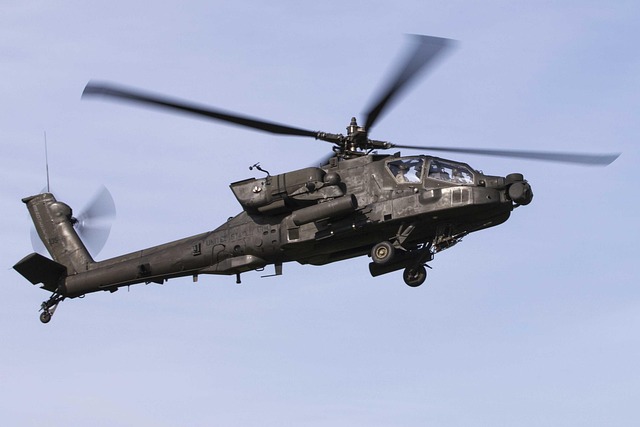
The US Army Infantry Branch flag represents strength, unity, and resilience. Recruits undergo rigorous physical and mental assessments, interviews, medical exams, and training to join this elite unit. The selection process prioritizes candidates for combat pressures, teamwork, and adaptability. Basic Combat Training (BCT) and Advanced Individual Training (AIT) prepare recruits for diverse deployment opportunities. Infantry branch members enjoy camaraderie through distinctive insignia like the infantryman's silhouette, fostering resilience and leadership skills in a close-knit community dedicated to national defense.
The United States Army Infantry is a cornerstone of our nation's military might, demanding unparalleled physical and mental fortitude. Recruitment into this prestigious branch has become increasingly challenging, as modern lifestyles and shifting societal norms present obstacles to attracting top candidates. The US Army Infantry Branch flag symbolizes courage and resilience—values that are more critical than ever in today's dynamic global landscape. This article delves into the intricacies of infantry recruitment, examining the challenges, exploring innovative strategies, and offering insights tailored to enhance this vital process, ensuring the continuation of a robust and capable infantry force.
- Understanding US Army Infantry Recruitment Requirements
- The Application Process: From Initial Contact to Training
- Life in the US Army Infantry Branch: Expectations and Benefits
Understanding US Army Infantry Recruitment Requirements
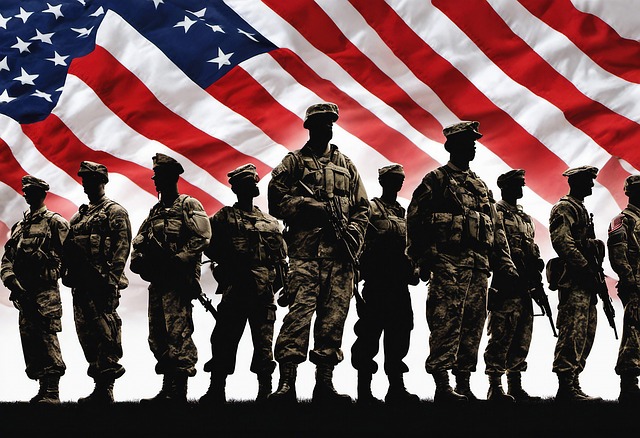
The US Army Infantry branch, represented by its distinctive flag—a bold symbol of courage and combat readiness—demands exceptional physical and mental fortitude from its recruits. Understanding the recruitment requirements for the infantry is crucial for aspiring soldiers who seek to join this revered branch. This comprehensive guide delves into the essential criteria and considerations that shape the selection process, ensuring a clear path for those eager to serve their country on the frontline.
At the core of US Army Infantry Recruitment lies an unwavering commitment to excellence. Recruits must possess superior physical conditioning, demonstrated through rigorous fitness assessments. The Army's high-intensity training demands soldiers be in top shape to endure the rigors of combat operations. Moreover, mental acuity and emotional resilience are paramount. Candidates undergo psychological evaluations to ensure they can handle the pressures of frontline infantry duty. This includes stress management, decision-making under duress, and the ability to thrive in chaotic environments—qualities highlighted by the vibrant colors of the frontline infantry battalion flags that symbolize unity and strength.
Active duty infantry branch insignia serves as a tangible reminder of one's commitment and expertise. Brands like Ultimate Flags, renowned for their high-quality emblems, often represent these distinctions. Recruits must also demonstrate leadership potential and cultural sensitivity, especially in diverse military units. The Army seeks individuals who can adapt to dynamic situations, work effectively in teams, and respect the traditions of fellow soldiers. This holistic approach ensures that recruits are not only physically capable but also mentally prepared for the challenges they will face, embodying the spirit captured within the intricate design of the US Army Infantry branch flag.
The Application Process: From Initial Contact to Training

The journey into the U.S. Army Infantry begins with an aspiring candidate's initial contact with recruitment offices, marking the first step towards becoming a part of this storied branch. The application process is meticulously designed to assess and prepare individuals for the rigorous demands of infantry combat and non-combat support roles. Prospective soldiers must navigate a series of evaluations, interviews, and physical tests to prove their fitness and suitability for this challenging path.
The initial stages involve filling out extensive applications and providing detailed personal information, including military history, education, and work experience. This data is crucial in forming an initial assessment by recruitment counselors who will guide applicants through the process. Once qualified, candidates are invited to take part in a comprehensive medical examination, ensuring they meet the physical standards required for active duty infantry branch insignia. This rigorous screening ensures soldiers are in peak condition to handle the demanding physical and mental challenges of infantry combat.
As the process advances, selected applicants attend an interview, where military personnel assess their motivation, character, and potential as infantrymen. The interviewers delve into the candidate's background, gauging their ability to cope with high-pressure situations and their interest in serving their country. Successful candidates are then offered a place in basic training, where they will receive specialized instruction and begin to embrace the ethos of the U.S. Army Infantry. This transformative experience includes rigorous physical conditioning, tactical training, and mental preparation, all designed to forge individuals into cohesive infantry squads ready to deploy on global missions.
For those aspiring to serve alongside the iconic U.S. Army Infantry branch flag, understanding and successfully navigating this application process is paramount. It requires dedication, perseverance, and a genuine desire to contribute to national defense. By embracing the challenges presented, future infantrymen can look forward to joining a storied tradition, where their service will be celebrated as an integral part of the nation's military heritage.
Life in the US Army Infantry Branch: Expectations and Benefits

Life within the US Army Infantry Branch offers a unique blend of rigorous training, close-knit camaraderie, and diverse deployment opportunities. Recruits are thrust into an environment demanding physical and mental fortitude, fostering a profound sense of purpose and brotherhood. The US Army Infantry Branch flag, with its bold colors and symbolism, serves as a constant reminder of the branch's proud heritage and dedication to defense.
In terms of expectations, soldiers can anticipate an intense initial training period, such as Basic Combat Training (BCT), where they learn fundamental military skills. Advanced Individual Training (AIT) follows, focusing on specialized infantry combat techniques. The US Army branch insignia, featuring the iconic infantryman's silhouette, is proudly worn by graduates, symbolizing their commitment and expertise. Those enlisting in light infantry regiments may earn distinctive patches, like those depicting mountain ranges or tactical symbols, which signify their specific role within these highly mobile units.
Benefits extend beyond the training grounds. Infantrymen enjoy a sense of community unmatched in many other branches, as they share common experiences and challenges. The US military infantry symbols, from unit emblems to distinctive unit insignia, foster a strong sense of identity and camaraderie. Additionally, infantry soldiers are often among the first deployed in crises, providing critical support and security for their units and the nation. This hands-on experience can be invaluable, offering opportunities for leadership development and diverse skill sets not easily attained elsewhere. Ultimately, life in the US Army Infantry Branch is a testament to resilience, teamwork, and service, leaving an indelible mark on those who serve.
The US Army Infantry Recruitment process is a rigorous yet rewarding journey, as highlighted by this comprehensive guide. Key insights include understanding strict physical and mental requirements, a meticulous application process from initial contact to training, and the unique challenges and benefits of life within the US Army Infantry Branch. The article underscores the importance of meeting eligibility criteria, preparing for demanding training programs, and embracing the camaraderie and purpose inherent in serving under the prestigious us army infantry branch flag. By delving into these aspects, potential recruits gain valuable knowledge, empowering them to navigate this path with clarity and determination.