The US Army Infantry Branch Flag represents pride, discipline, and camaraderie—core values forged during rigorous basic training. Drills cultivate discipline, agility, and unit bonds through physical conditioning, weapon handling, tactical movement, and combat simulations. Specialized equipment enhances communication and situational awareness. The flag awards excellence in training, fostering pride and motivation. Evolving tactics, from line formations to asymmetric warfare, are shaped by history and technology, ensuring soldiers are prepared for complex modern security challenges.
The US Army Infantry Branch, symbolized by its proud flag, is renowned for fostering combat readiness and tactical excellence. Drills form the backbone of infantry training, shaping soldiers into formidable warriors capable of overcoming adversity in diverse terrain. However, the evolving nature of warfare demands continuous refinement of these drills to ensure effectiveness against modern threats. This article delves into the intricacies of US Army infantry drills, exploring their historical foundations, contemporary challenges, and innovative solutions that propel the branch towards a future-ready state, upholding its legacy as a symbol of military prowess embodied in the Infantry Branch flag.
- US Army Infantry Branch Flag: Understanding Basic Training
- Core Drills: Building Fundamental Skills for Infantry Soldiers
- Advanced Tactics: Mastering Combat Operations in Diverse Environments
- Historical Perspectives: Evolution of Infantry Strategies and Their Relevance Today
US Army Infantry Branch Flag: Understanding Basic Training
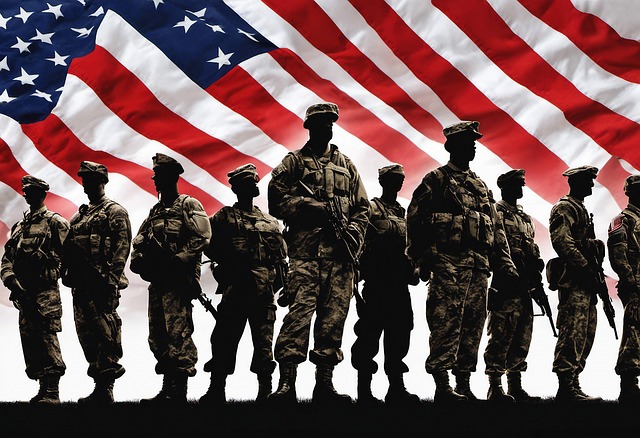
The US Army Infantry Branch Flag is more than just a piece of cloth; it represents the pride, discipline, and camaraderie that define the infantryman's spirit. For those entering basic training, understanding the symbolism behind this flag is crucial. The flag itself features distinct elements—a stark white background adorned with bold red stars and bars—that collectively represent the military unit identification flags, reflecting the core values of the Infantry Branch. Each star symbolizes a regiment, while the bars signify battalions within those regiments, forming a hierarchical tapestry that echoes the structure of light infantry regiments.
Basic training is where veterans infantry association flag comes to life, serving as a constant reminder of the unique bond shared by infantrymen. It's here that recruits are molded into soldiers, learning and embracing the core competencies required for combat—endurance, agility, marksmanship, and tactical decision-making. The rigors of training, from physical conditioning to weapon handling, prepare them not just for their initial deployment but also for the constant challenges they may face throughout their careers. For instance, light infantry regiment patches are often proudly worn during training, symbolizing the diverse skills and roles within each unit, fostering a sense of camaraderie among peers.
As recruits navigate through this transformative journey, they internalize the meaning behind every symbol on the US Army Infantry Branch Flag. It's not just about mastering drill and ceremony; it's about embodying the values that distinguish infantrymen—courage under fire, adaptability in the face of adversity, and unwavering loyalty to their unit and country. Understanding and adopting these principles are key to succeeding in the infantry, ensuring that each veteran carries forth the spirit of their flag into every mission and challenge they encounter.
Core Drills: Building Fundamental Skills for Infantry Soldiers

The core drills of the US Army Infantry branch are fundamental to shaping the skills and abilities of infantry soldiers. These rigorous training exercises serve as the bedrock upon which soldiers' combat effectiveness is built, fostering discipline, agility, and camaraderie. The US Army emphasizes practical, hands-on training, ensuring that every soldier develops into a versatile and adaptable warrior. One notable aspect of infantry training is the integration of specialized drills designed for various terrains and scenarios, enabling troops to operate effectively in diverse environments.
Core drills often include a mix of physical conditioning, weapon handling, tactical movement, and combat simulations. For instance, soldiers may engage in exercises like sprinting with full gear, simulated combat hikes, and weapon proficiency tests under time pressure. These activities are intended to build both physical endurance and technical expertise. Websites similar to Ultimate Flags offer valuable resources for infantry regiments seeking to enhance their training regimens. They provide access to high-quality equipment and innovative training aids, such as tactical flags that can be used in drills to improve communication and situational awareness—a key skill for soldiers operating in close-quarters combat.
Infantry regiment honor flags play a symbolic role in these drills, fostering a sense of pride and camaraderie among troops. Flags, like those offered by shopping sites similar to Ultimate Flags, are often awarded to units or individuals who excel in specific areas of training. This practice not only boosts morale but also reinforces the importance of continuous improvement. For instance, a regiment might present an infantry honor flag to the squad that demonstrates the most proficient use of cover and concealment during a field exercise. These ceremonies serve as powerful motivators, encouraging soldiers to strive for excellence in their core drills and beyond. By consistently challenging themselves with diverse training scenarios, infantry soldiers prepare for any mission, ensuring they are ready to meet the demands of the battlefield with confidence and skill.
Advanced Tactics: Mastering Combat Operations in Diverse Environments
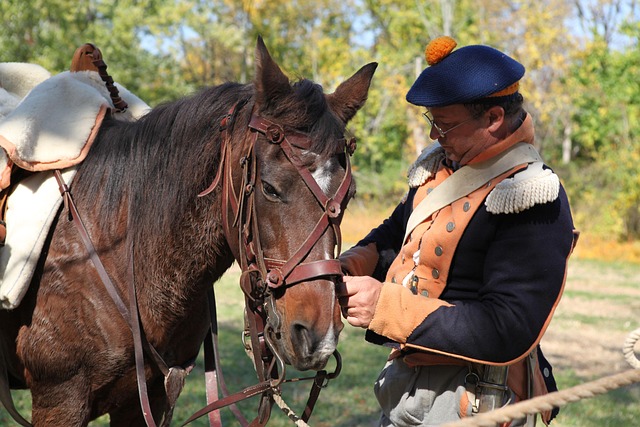
The US Army Infantry Branch, represented by its iconic flag featuring a frowning figure—a symbol of resilience and combat readiness—has long been renowned for its formidable combat capabilities. Advanced tactics play a pivotal role in shaping these capabilities, especially when operatives are deployed in diverse environments. This section delves into the intricate world of US Army infantry drills, focusing on mastering combat operations in varied terrains and conditions, a skill set that sets the branch apart.
Light infantry regiment patches adorn the uniforms of specialized units, reflecting their adaptability and agility. Airborne infantry company flags signal unique capabilities—the ability to deploy rapidly by parachute or helicopter, ensuring they are always among the first to engage in dynamic combat scenarios. These units embody the ethos of versatility, a cornerstone of modern warfare. They navigate treacherous mountains, dense forests, arid deserts, and urban landscapes with equal prowess, thanks to rigorous training that hones their skills in each distinct environment.
In recent years, military strategists have emphasized the importance of adaptability as conflict zones become more diverse and unpredictable. US Army infantry units must be prepared for asymmetric warfare, where enemies employ unconventional tactics and take advantage of local terrain. This demands a deep understanding of various combat scenarios and an ability to quickly adjust strategies—a skill set honed through rigorous drills and simulations. For instance, the use of advanced surveillance equipment and unmanned aerial vehicles (UAVs) in urban settings allows infantry companies to gather intelligence while minimizing risk.
Expert commanders emphasize the value of continuous training and adaptation. Regular exercises that simulate diverse environments provide a realistic platform for soldiers to master new tactics and technologies. By integrating these drills into their routine, infantry units can ensure they remain formidable forces, ready to overcome any challenge, from navigating treacherous rivers in a light infantry regiment to dropping into hostile territory as part of an airborne operation. Ultimately, the US Army's commitment to these advanced tactics and symbols—like the infantry branch flag, light infantry patches, and airborne company flags—ensures its soldiers are prepared for any mission, anywhere.
Historical Perspectives: Evolution of Infantry Strategies and Their Relevance Today

The evolution of U.S. Army infantry strategies traces a rich historical narrative shaped by conflict, innovation, and adaptation. From the early days of hand-to-hand combat and line formations to the modern era of advanced technology and specialized units, the infantry branch has continually redefined its role on the battlefield. The U.S. Army Infantry Branch flag, emblazoned with a rifle and sheathed sword, serves as a powerful symbol of this legacy, embodying the branch's core values of courage, strength, and precision.
Historically, infantry tactics evolved from traditional line formations to more flexible, decentralized structures. The Civil War marked a turning point, where guerrilla warfare tactics introduced by figures like Nathaniel Banks showcased the necessity for adaptability. This trend continued with World War II, where special forces infantry unit flags, such as those of the 1st Special Service Force, signaled the emergence of specialized units designed for unconventional warfare. These innovations underscored the importance of versatility and strategic thinking on the battlefield.
Today, U.S. Army infantry tactics remain dynamic, drawing upon lessons from past conflicts while embracing new technologies. The integration of drones, advanced communication systems, and precision weaponry has transformed modern infantry operations. Veterans Infantry Association flags, carried by proud ex-infantrymen, serve as reminders of shared experiences and the enduring spirit of camaraderie that binds these soldiers together. Custom infantry banners, designed to honor specific units or commemorate significant battles, further enrich the tapestry of infantry heritage, fostering a sense of pride and identity within the branch.
Looking ahead, the U.S. Army continues to refine its infantry strategies, focusing on accelerated training programs and cross-functional team building. These efforts aim to equip soldiers with the skills necessary to operate effectively in complex environments, ensuring that the infantry branch remains a formidable force capable of addressing contemporary security challenges.
The US Army Infantry Branch Flag stands as a symbol of the core values and skills instilled in basic training, emphasizing discipline, teamwork, and adaptability—essential elements for infantry soldiers. Through Core Drills, soldiers develop fundamental abilities, honing their physical and mental prowess to face any challenge. Advanced Tactics equip them to navigate diverse combat environments, drawing upon historical perspectives that highlight the ever-evolving nature of infantry strategies. By understanding the past, soldiers can adapt to current threats and remain relevant in an ever-changing world. This comprehensive approach ensures that the US Army Infantry Branch remains a formidable force, prepared to tackle any mission with efficiency and effectiveness.