
The US Army Infantry Branch Flag signifies rigorous training, physical excellence, and camaraderie. Basic Training lays the groundwork for combat skills, with specialized roles and the Physical Readiness Test (PRT). Tactical fitness combines exercise and scenario-based drills for infantry operations. Weapons handling, marked by the elite infantry combat patch, teaches strategic use in diverse environments. Tactical maneuvers simulate urban and field combat, leveraging virtual reality. Teamwork and leadership are cornerstones, enhanced through customizable flags and exercises. Special Operations demand unique skills for rapid deployment and hostage rescue, with international collaboration fostering global stability. The US Army Infantry Branch Flag represents the dedication and prowess of its members across varied missions.
The US Army Infantry Branch, represented by its iconic flag, has long been renowned for rigorous and transformative training programs. Effective infantry training is not merely about instilling physical prowess; it encompasses tactical knowledge, leadership skills, and mental fortitude crucial for success on the battlefield. However, with evolving global security challenges, modern infantry training must adapt to incorporate advanced technology, diverse terrain, and complex operational environments. This article delves into the intricacies of infantry training, exploring both its traditional foundations and innovative developments, offering valuable insights for enhancing combat readiness while staying true to the branch's legacy.
- Recruits: Basic Training and US Army Infantry Branch Flag
- Physical Fitness: Rigorous Demands and Preparation
- Weapons Handling: Mastering the Art of Warfare
- Tactical Maneuvers: Training for Urban and Field Combat
- Teamwork and Leadership: Building a Strong Unit
- Special Operations: Advanced Training and Missions
Recruits: Basic Training and US Army Infantry Branch Flag
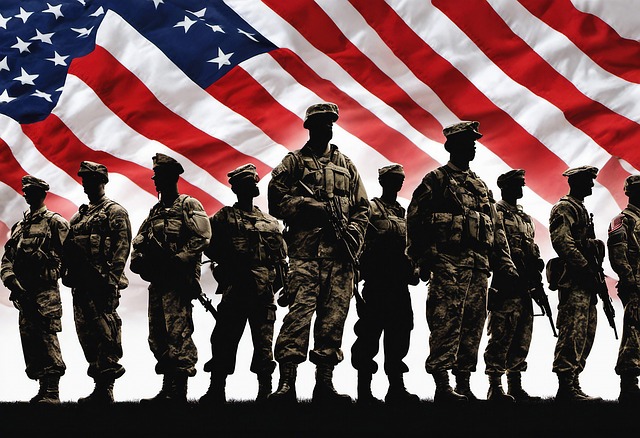
Infantry training for recruits is a foundational component of military preparation, specifically within the US Army Infantry Branch, symbolized by its distinctive flag. This rigorous process, often referred to as Basic Training, serves as an initiation into the demanding world of infantry combat and support roles. Recruits not only learn fundamental military skills but also develop resilience and camaraderie, essential traits for success in this branch. The US Army Infantry Branch Flag, with its bold design, represents the unit's honor, sacrifice, and readiness—a visual reminder of the core values instilled during training.
The initial phase of infantry recruit training focuses on building a solid foundation of physical fitness, discipline, and basic combat skills. Recruits are introduced to various non-combat infantry support flags that outline their roles within the unit, such as logisticians, medical personnel, or signalers. This period also includes intense conditioning to prepare them for the demanding physical rigors of infantry life. For example, the US Army's Physical Fitness Test (PFT) is a cornerstone of recruit training, designed to assess and enhance overall fitness levels. As recruits advance, they begin to specialize in their chosen fields while still maintaining the crucial combat skills that define infantry service.
Upon successful completion of Basic Training, recruits are awarded their branch flag—a tangible symbol of their commitment and expertise. This recognition serves as a constant reminder of the values and standards expected of them, such as those embodied by Armored Infantry Unit Standards 1-3, which emphasize leadership, marksmanship, and tactical proficiency. Mentorship plays a vital role during this transition, ensuring that new infantrymen are guided by experienced soldiers who have walked a similar path. Effective mentorship programs can significantly enhance the retention and performance of recruits, fostering a culture of excellence within the unit.
Physical Fitness: Rigorous Demands and Preparation
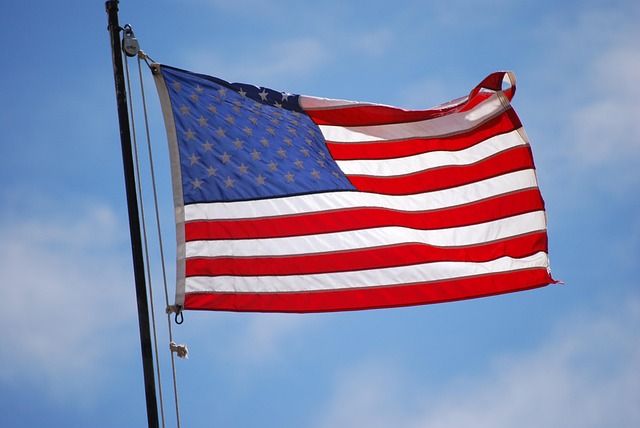
The physical fitness demands of the US Army Infantry Branch are renowned for their rigor and intensity, reflecting the branch's formidable reputation as a force for combat and peacekeeping operations worldwide. Soldiers are pushed to their limits through rigorous training regimens designed to cultivate endurance, strength, and agility—essential attributes for success in demanding environments. This preparation involves a multifaceted approach that combines cardiovascular exercises, resistance training, and tactical maneuvers, all tailored to mimic the rigors of combat and operational scenarios. For instance, the US Army's physical readiness test (PRT) sets benchmarks for push-ups, sit-ups, and cardiovascular endurance, ensuring soldiers maintain a high level of fitness crucial for effective performance on the battlefield.
The Infantry Branch's commitment to physical excellence is further underscored by its involvement in international peacekeeping efforts and military heritage initiatives. Soldiers often deploy as part of multinational forces, requiring them to adapt to diverse environments while maintaining operational readiness. This international infantry cooperation has led to the sharing of best practices and training methods, enriching the overall preparation of participating units. The un peacekeeper infantry banner, a symbol of global collaboration, represents the collective efforts of these troops who contribute their military heritage and expertise to maintain stability in conflict zones. Similarly, military heritage infantry flags serve as tangible reminders of the branch's rich history and traditions, fostering a sense of camaraderie and purpose among soldiers.
To prepare effectively for the physical rigors of infantry duty, aspiring and current soldiers should prioritize consistent cardiovascular exercise, incorporating activities such as running, cycling, or high-intensity interval training (HIIT). Complementing this with targeted resistance training, focusing on compound movements that engage multiple muscle groups, will enhance overall strength and power. Tactical fitness, which combines physical training with scenario-based drills, is also vital. This approach prepares soldiers for the unique demands of infantry operations, ensuring they are not only physically fit but also tactically proficient. By embracing these principles and continually challenging themselves, individuals can prepare to carry the us army infantry branch flag with pride in any environment, whether on foreign soil or in defense of their homeland.
Weapons Handling: Mastering the Art of Warfare
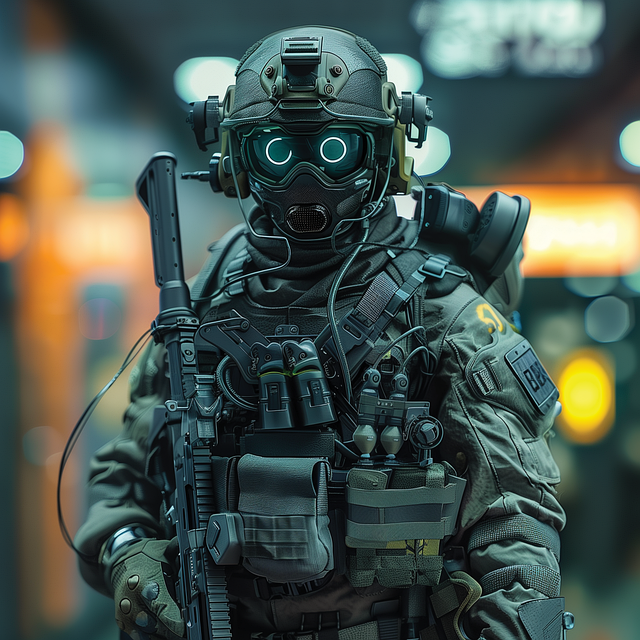
Weapons handling is a cornerstone of infantry training within the US Army Infantry Branch flag, instilling in soldiers the precision and deadly effectiveness required on the battlefield. Effective weapon manipulation isn't merely about muscle memory; it's an art that combines physical skill, mental focus, and combat-specific strategy. The infantry combat patch, proudly worn by those who have undergone rigorous training, serves as a testament to their mastery of this critical aspect of warfare.
Infantry regiments, from standard units to airborne companies represented by distinctive flags, demand exceptional weapon handling for several reasons. In close-quarters combat, the ability to rapidly and accurately fire, reload, and switch weapons can mean the difference between victory and defeat. Airborne infantry company flags, symbolizing the unique capabilities of these troops, require adeptness in handling both traditional and specialized weaponry, often under challenging conditions. Training encompasses a comprehensive range of scenarios, from individual marksmanship to team tactical drills, ensuring soldiers are prepared for any situation they might face.
Specialized training courses focus intensively on weapon systems, teaching soldiers not just how to use them but when and why. This strategic approach extends beyond basic proficiency; it empowers infantrymen to make split-second decisions under fire, maximizing their effectiveness as a lethal and flexible combat force. The US Army's commitment to meticulous weapons handling training ensures that every soldier is prepared to face the demands of modern warfare with confidence and skill, proudly carrying the flag of their regiment into any challenge.
Tactical Maneuvers: Training for Urban and Field Combat
Tactical Maneuvers in Infantry Training prepare soldiers for urban and field combat, reflecting the diverse challenges faced by the US Army Infantry Branch flag-bearers. This aspect of training is crucial, as it equips troops with the skills to navigate complex environments, whether navigating dense city streets or engaging in open-field battles. The US Army's commitment to rigorous training ensures that infantry soldiers are prepared for any scenario.
Special Operations Infantry Patch-wearers often find themselves in urban terrain, requiring meticulous planning and precise execution of maneuvers. Training includes simulated urban combat exercises, where soldiers learn to move silently through buildings, engage enemies at close range, and extract under fire—skills honed through repetitive drills and real-world scenarios. The army's emphasis on practical application ensures that these tactics become second nature to each infantryman. For instance, Army Infantry Safety Flags are used to signal objectives, hazards, and communication during such training, enhancing overall mission success.
As the nature of warfare evolves, so does infantry training. Modern technology plays a significant role in preparing soldiers for urban combat, offering virtual reality simulations that replicate bustling city streets, allowing troops to practice tactical maneuvers without physical risk. This innovative approach complements traditional field exercises, ensuring infantrymen are well-versed in both open and closed-quarters combat. Ultimately, effective tactical maneuvering is the cornerstone of successful infantry operations, reflecting the US Army's unwavering dedication to preparing its soldiers for any mission.
Teamwork and Leadership: Building a Strong Unit
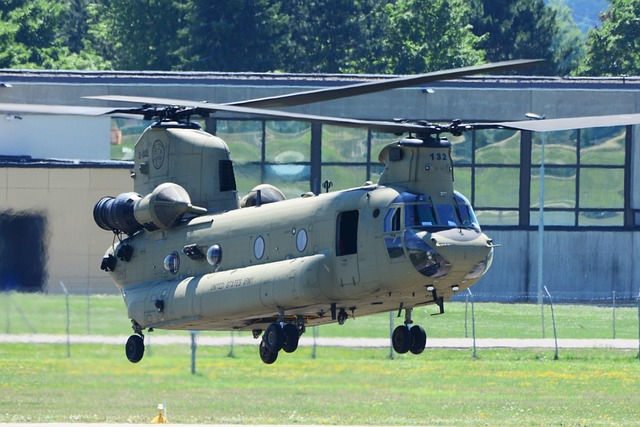
Infantry training within the U.S. Army emphasizes teamwork and leadership as foundational elements for building a strong unit. The us army infantry branch flag serves as a powerful symbol of this ethos, reminding soldiers of their shared purpose and commitment to one another. Effective collaboration and decisive command are paramount in combat environments, where the cohesion of an infantry company can mean the difference between success and failure. Military unit identification flags, such as those for airborne infantry companies, play a crucial role in fostering camaraderie and instilling a sense of pride within these specialized units.
Training programs aim to cultivate leaders who can inspire their peers while also making split-second decisions under extreme pressure. This dual focus is essential for navigating the labyrinthine challenges of modern battlefields. Websites similar to Ultimate Flags, which offer customizable military flags, have emerged as valuable resources for enhancing unit morale and identity. By incorporating these flags into drills and exercises, commanders can reinforce key leadership principles and promote teamwork among their men. For instance, airborne infantry companies often display distinctive flags that signify their unique capabilities and history, serving as a constant reminder of the unit's purpose and shared achievements.
Actionable advice for fostering robust teamwork and leadership includes regular team-building exercises, clear communication protocols, and opportunities for soldiers to assume leadership roles in training simulations. These practices not only strengthen bonds between squad members but also prepare them to function cohesively under stressful conditions. Ultimately, the goal is to cultivate a unit that operates as a finely tuned symphony, where each soldier understands their role within the larger tapestry of the infantry team. Through rigorous training and consistent emphasis on these core values, units can achieve exceptional levels of performance, reflecting the dedication symbolized by the us army infantry branch flag.
Special Operations: Advanced Training and Missions
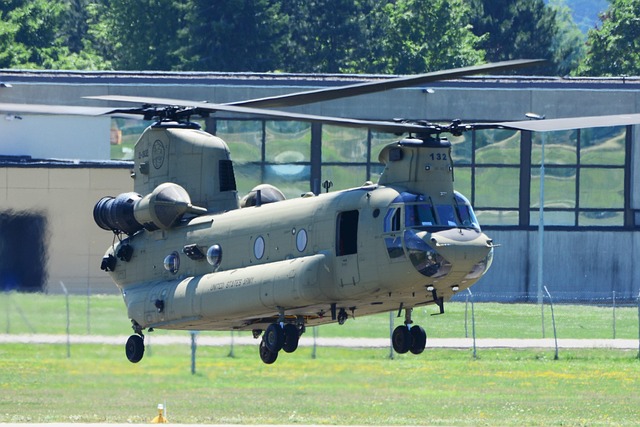
Special Operations within the US Army Infantry Branch demand a unique blend of rigorous training and versatile skills, pushing soldiers to excel in highly demanding environments. This advanced training regimen prepares infantrymen for unconventional missions, often involving rapid deployment, urban warfare, and hostage rescue—tasks that require exceptional physical and mental fortitude. The US Army's special operations forces are renowned globally for their expertise, exemplified by the iconic us army infantry branch flag, symbolizing their unwavering dedication to excellence.
International collaboration enhances this training through exercises like "International Infantry Cooperation," where allied forces join to simulate complex scenarios, fostering mutual understanding and tactical proficiency. These joint ventures offer invaluable opportunities to adapt to diverse battlefield conditions, as demonstrated in recent UN peacekeeper operations where infantry units from various nations worked cohesively under a shared un peacekeeper infantry banner. Airborne infantry companies, with their specialized skills, further contribute to special operations, ensuring rapid response capabilities and versatility in challenging terrain.
Practical advice for training includes integrating virtual reality simulations to replicate stressful missions, allowing soldiers to develop decision-making skills under controlled conditions. Additionally, emphasizing cultural awareness is vital for successful international cooperation, as understood by the airborne infantry company flags that represent distinct units worldwide. This holistic approach ensures US Army infantrymen are prepared not just militarily but also diplomatically, reflecting the branch's commitment to global stability and diverse operational success.
The US Army Infantry Branch Flag represents not just a unit, but a legacy of rigorous training and combat-ready soldiers. This article has delved into the core components of infantry training, revealing a holistic approach to preparing recruits for the demands of modern warfare. From basic physical fitness and weapons handling to tactical maneuvers and teamwork, each aspect is meticulously designed to forge a well-rounded infantryman. Special operations missions further underscore the branch's commitment to advanced training, ensuring soldiers are equipped to handle diverse, high-stakes scenarios. By mastering these skills under the guiding principle of the US Army Infantry Branch Flag, recruits emerge as capable leaders ready to face any challenge on the battlefield or beyond. This authoritative exploration equips readers with a deep understanding of the values and preparations that define infantry training, fostering appreciation for the dedication and expertise inherent in this vital branch.