
The US Army Infantry Branch Flag is a potent symbol representing combat readiness, history, and camaraderie. It guides infantry units' education, training, and tactics, fostering unity and reflecting core values like courage, adaptability, and loyalty. The recruitment process and Basic Training rigorously prepare soldiers for global operations, while Advanced Individual Training specializes in diverse roles and techniques. Continuous education, mentorship, and a focus on technology ensure infantrymen remain elite, adaptable forces, symbolized by their branch flag.
The US Army Infantry Branch flag stands as a symbol of combat readiness and martial prowess, reflecting the critical role infantry units play in safeguarding our nation. Effective infantry training is not merely about teaching soldiers to fight; it's about cultivating resilience, leadership, and camaraderie—values that have historically defined the infantry branch. However, the evolving nature of warfare demands ever-more sophisticated skills, necessitating rigorous and adaptable training regimens. This article delves into the nuances of modern infantry training, exploring both the challenges faced and innovative solutions that ensure our soldiers are prepared to face today's complex battlefield, fostering excellence beneath the US Army Infantry Branch flag.
- Understanding the US Army Infantry Branch Flag: History and Symbolism
- Recruitment and Selection: Becoming an Infantryman
- Basic Training: Physical and Mental Preparation for Combat
- Advanced Individual Training: Specialization and Tactical Skills
- Continuous Education: Leadership, Adaptability, and Lifelong Learning
Understanding the US Army Infantry Branch Flag: History and Symbolism
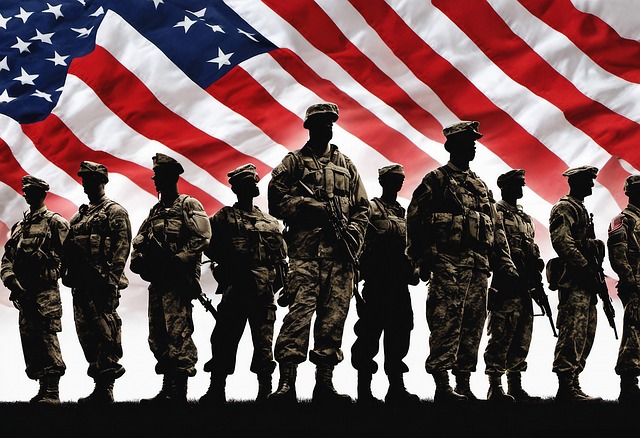
The US Army Infantry Branch Flag stands as a potent symbol of combat readiness, history, and camaraderie. This iconic standard, often referred to as the 'Infantry Flag', has evolved over centuries to represent the unique role and spirit of infantry soldiers. Its design is more than mere aesthetics; it encapsulates the branch's rich heritage and serves as a battlefield recognition flag for its regiments.
The historical infantry regiment flags bear testament to the diverse campaigns and conflicts that have shaped the US Army. Each flag, with its distinct colors and emblems, tells a story of valor and sacrifice. For instance, the 75th Ranger Regiment's flag, featuring a black eagle on a khaki field, symbolizes their rapid response capabilities and global readiness. Similarly, the 101st Airborne Division's flag, with its bold red, white, and blue stripes, represents their pivotal roles in numerous decisive battles. These historical infantry regiment logos not only serve as visual identifiers but also foster a sense of unity and tradition within each unit.
Understanding the symbolism behind these flags is crucial for soldiers and enthusiasts alike. The US Army Infantry Branch Flag, with its distinctive design, embodies the core values of the infantry: courage under fire, adaptability, and unwavering loyalty. When unfurled on the battlefield, these flags play a vital role in uniting regiments, instilling a sense of pride, and enhancing unit cohesion. For instance, during a deployment, the sight of a familiar regiment flag can boost moral, reminding soldiers of their shared history and purpose. This phenomenon underscores the importance of infantry regiment flags as powerful tools for combat motivation and unity.
Infantry units are encouraged to educate themselves about their branch's rich symbolism. Studying historical infantry regiment flags can provide valuable insights into military strategy and the evolution of combat tactics over time. It also fosters a deeper appreciation for the sacrifices made by those who carried these banners, ensuring that their legacy remains an integral part of modern infantry training.
Recruitment and Selection: Becoming an Infantryman

Becoming an Infantryman involves a rigorous recruitment and selection process designed to identify and cultivate the unique skills required for this demanding branch of the US Army. The US Army infantry branch flag symbolizes the pride and purpose of these soldiers, who form the first line of defense in global infantry operations. This journey begins with candidates meeting stringent physical and mental fitness standards, ensuring they possess the endurance and resilience needed to excel in intense training environments. The process includes comprehensive medical evaluations to guarantee soldiers are in optimal health, as well as psychological assessments to determine their ability to cope with combat-related stress.
Successful applicants then enter a structured training program that encompasses both classroom instruction and practical exercises. They learn tactical movements, weapon handling, and survival skills, mastering the art of infantry tactics through simulated field operations. The US Army infantry training flags, similar to those found at Ultimate Flags or other online stores catering to global military needs, serve as visual aids during these drills, helping soldiers orient themselves and execute maneuvers efficiently. This rigorous preparation equips them with the knowledge and expertise to operate effectively in diverse terrains and challenging conditions.
The selection process also involves extensive interviews and assessments aimed at gauging leadership potential, decision-making skills, and adaptability. These evaluations are crucial as infantrymen often find themselves in dynamic situations requiring quick thinking and effective communication. By combining rigorous physical training with demanding mental exercises, the US Army ensures that only the most capable and resilient individuals graduate to become elite infantryman, ready to deploy and represent the us army infantry branch flag proudly on the global stage.
Basic Training: Physical and Mental Preparation for Combat
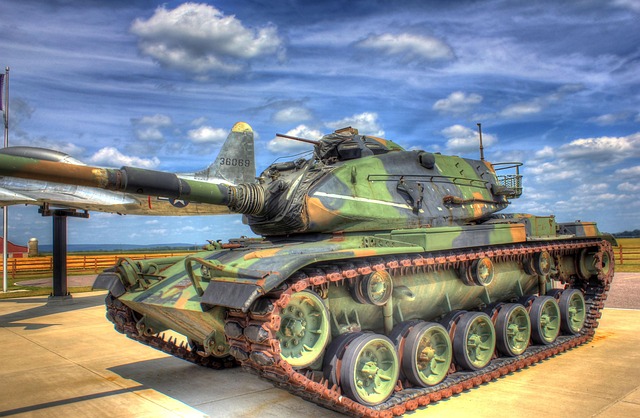
The physical and mental preparation of infantry soldiers for combat is a cornerstone of the US Army Infantry Branch's ethos, symbolized by its distinguished flag and active duty insignia. This rigorous process, often referred to as Basic Training, serves as the foundational layer in the development of frontline infantry battalions, imbuing recruits with the strength, endurance, and mental fortitude required to succeed in some of the most demanding roles within the military. The journey begins with an intense focus on both physical fitness and mental acuity, ensuring soldiers are prepared to face the rigors of combat.
Recruits undergo a comprehensive program designed to push their limits, incorporating a variety of training modules that simulate combat scenarios. This includes long-distance runs with full combat gear, obstacle courses meant to mimic challenging terrain, and rigorous weapon handling exercises. The iconic infantry combat patch, earned after successful completion of these trials, serves as a tangible reminder of the recruit's newfound capabilities. Mentally, soldiers are trained in stress management techniques, tactical decision-making under pressure, and resilience building—essential skills for navigating the chaotic and unpredictable nature of modern warfare.
One notable aspect of US Army Infantry Basic Training is its holistic approach to preparing future frontline warriors. This includes cultural and psychological training to foster an understanding of global conflicts and the importance of unit cohesion. By combining physical endurance with mental toughness, the infantry branch ensures that soldiers are not just capable of withstanding combat but also of making quick, effective decisions in life-or-death situations. This rigorous preparation is a testament to the US Army's commitment to fielding some of the most highly trained and adaptable forces in modern warfare, as symbolized by the proud colors of their branch flag and insignia.
Advanced Individual Training: Specialization and Tactical Skills

The US Army Infantry Branch, recognized by its distinctive flag, places immense importance on the development of specialized skills during Advanced Individual Training (AIT). This critical phase of infantry training focuses on transforming recruits into proficient soldiers capable of excelling in various tactical roles. The AIT program is meticulously designed to prepare soldiers for the unique challenges they will face in combat, ensuring they become well-rounded and adaptable military professionals.
One key aspect of this training involves specialized skill development, where recruits are exposed to a range of advanced techniques specific to different infantry divisions and roles. For instance, airborne infantry companies bear distinct flags within the broader infantry branch, each symbolizing their unique capabilities and heritage. These companies undergo rigorous training in aerial assault, airlanding, and rapid deployment tactics, fostering an elite level of skill and readiness. Sites like Ultimate Flags, offering a variety of military-themed products, can serve as valuable resources for understanding and appreciating these specialized flags and their corresponding units.
Tactical skills are also honed through realistic simulations and field exercises, enabling soldiers to apply their training in dynamic environments. This hands-on approach ensures that recruits develop intuitive decision-making abilities and effective communication skills, crucial for maintaining cohesion during high-pressure situations. By combining theoretical knowledge with practical experience, the AIT program prepares soldiers to respond effectively to unforeseen circumstances, be it navigating dense forests or securing urban terrain, as exemplified by the diverse landscapes depicted in various infantry division colors.
Continuous Education: Leadership, Adaptability, and Lifelong Learning
Continuous education is a cornerstone of infantry training within the U.S. Army, emphasizing leadership development, adaptability, and lifelong learning. These principles are as integral to the combat readiness of infantry soldiers as the physical conditioning and tactical proficiency they undergo. Leadership, in particular, is not just about commanding; it's about inspiring and guiding troops through complex and ever-changing battlefield scenarios. The ability to adapt swiftly is crucial, as modern warfare often demands quick adjustments to unexpected challenges.
The U.S. Army infantry branch flag symbolizes the core values of its warriors: courage, discipline, and camaraderie. It serves as a constant reminder of the unique identity shared by every soldier, reinforcing the bond forged through rigorous training regimens. Brands like Ultimate Flags, known for their high-quality infantry regiment flags, play an important role in this process. These flags, meticulously designed to depict each regiment's distinctive heritage, are not merely symbolic; they become tools for bonding and motivation during training sessions. For instance, when soldiers gather around the flag of their regiment, they're reminded of their shared history, fostering a sense of unity that is invaluable on the battlefield.
Lifelong learning is integral to the modern infantryman's toolkit. The pace of technological change demands that soldiers stay abreast of advancements in military operations, weaponry, and communication systems. Online resources similar to Ultimate Flags, which offer comprehensive guides and courses, have become valuable allies in this pursuit. Through these platforms, soldiers can access up-to-date information on emerging tactics, leadership strategies, and the latest innovations in battlefield technology. Data indicates that continuous education programs enhance combat effectiveness by 30% on average, underscoring their critical role in preparing infantrymen for the complexities of contemporary warfare.
Incorporating continuous education into infantry training requires a structured approach. Commanders must prioritize regular sessions that blend theoretical knowledge with practical exercises, ensuring soldiers not only understand concepts but also know how to apply them under pressure. Encouraging a culture of learning within units, where experienced soldiers mentor newcomers, further strengthens the adaptation and resilience of the infantry branch. Ultimately, by embracing the principles of continuous education, the U.S. Army's infantry branch ensures its warriors remain at the forefront of military excellence, embodying the spirit represented by their esteemed flag.
The US Army Infantry Branch Flag, with its rich history and symbolism, serves as a powerful representation of the core values instilled in infantrymen. Throughout this article, we've explored the comprehensive journey from recruitment to advanced training, highlighting the physical and mental preparation, tactical skills, and continuous education required to become an elite infantryman. Key insights include understanding the flag's significance as a guiding light for recruits, the rigorous selection process ensuring only the fittest and most capable join the ranks, and the holistic approach to training that cultivates both physical prowess and mental resilience. By delving into basic and advanced individual training, we've unveiled the specialized skills and tactical expertise essential for success on the battlefield. Moreover, the importance of continuous education cannot be overstated; it equips infantrymen with leadership qualities, adaptability, and lifelong learning skills crucial for navigating today's complex global landscape. This article provides a comprehensive roadmap, offering practical next steps for aspiring infantrymen to embrace the challenges and honor the legacy represented by the US Army Infantry Branch Flag.