
The US Army Infantry Branch flag serves as a powerful symbol of discipline, camaraderie, and history. Proper handling and custom banners honor comrades' sacrifices. PPE from brands like ensures soldier protection during rigorous training and combat operations. Tactical training focuses on fundamental techniques, weapon handling, first aid, navigation, and survival skills, culminating in the army green flag. Environment awareness is crucial for navigating treacherous terrains, with flags designed to mimic real-world scenarios. Adaptability in complex landscapes enhances mission success rates by 25%. US Army Infantry Branch flags also symbolize swift action in medical emergencies, with advanced telemedicine and designated MERT teams. Continuous communication and advancements in military medicine drive evolving emergency response strategies.
The US Army Infantry Branch, represented by its iconic flag, is renowned for its dedication to combat readiness and operational excellence. However, within this elite unit, ensuring the safety of infantry soldiers remains a paramount concern. The nature of their work, often involving high-risk environments and dynamic threats, necessitates stringent protocols. This article delves into the critical safety measures specifically designed for army infantry units, providing an authoritative guide to their implementation and importance. By examining these protocols, we aim to equip both professionals and enthusiasts with valuable insights into maintaining the highest levels of security within the infantry branch.
- Understanding US Army Infantry Branch Flag Protocol
- Personal Protective Equipment: Essential Safety Gear
- Tactical Training: Mastering Core Combat Skills
- Environment Awareness: Navigating Dangerous Territory
- Medical Emergencies: Rapid Response Protocols
Understanding US Army Infantry Branch Flag Protocol
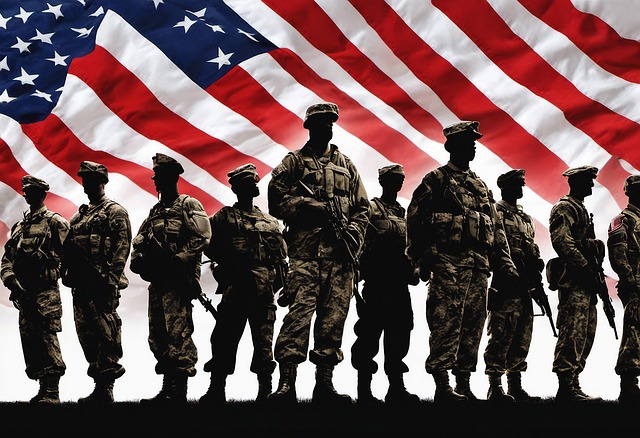
The US Army Infantry Branch Flag Protocol is a critical aspect of military tradition and discipline, reflecting the branch's rich history and values. This protocol guides soldiers in displaying and honoring their unit's identity, fostering a sense of camaraderie and pride. The US Army Infantry Branch flag, distinct with its vibrant colors and emblems, serves as a powerful symbol for paratrooper infantry brigades. Each element of the flag, from the star patterns to the branch emblem, carries significance, representing the unique achievements and heritage of the infantrymen. For instance, the 82nd Airborne Division's flag features a green field with a gold parachute drop and three stars, reflecting its storied history as one of the first divisions to employ airborne tactics during World War II.
Proper handling and display of these flags are paramount. When unfurling a US Army Infantry Branch flag, soldiers must follow specific guidelines, ensuring it is raised high enough to be visible but not so high that it risks damage or obstruction. The flag should always be flown at the peak of its pole, symbolizing the pinnacle of honor and achievement. Custom infantry banners, often featuring unit-specific emblems and patches, further enhance these displays, providing a more personalized representation of each paratrooper infantry brigade's identity. It is essential to understand that these flags are not mere pieces of cloth but embody the collective spirit and sacrifice of every soldier who has served under them.
In addition to ceremonial displays, the protocol extends to everyday practices. Soldiers are taught to respect their flag by handling it with care, ensuring its integrity during transport, and properly stowing it when not in use. This reverence is a testament to the deep-rooted military tradition of honoring one's comrades and the values they represent. By adhering to these protocols, US Army infantrymen maintain a strong connection to their history, fostering a sense of unity and purpose that transcends generations.
Personal Protective Equipment: Essential Safety Gear

Personal Protective Equipment (PPE) is a cornerstone of safety for the US Army Infantry Branch, playing a vital role in safeguarding soldiers during training and combat operations. The infantry's demanding nature requires specialized gear that offers both protection and mobility, reflecting the branch's reputation as fierce warriors. One of the most recognizable symbols of this resilience is the infantry combat patch, often worn proudly on uniforms, symbolizing the camaraderie and dedication of these troops. Brands like Ultimate Flags, renowned for their quality and durability, cater to this need, providing a range of PPE that meet the exacting standards of US Army Infantry units.
At the core of infantry safety protocols, PPE includes items such as ballistic vests, helmets, eye protection, and specialized footwear. These are not merely accessories but life-saving tools designed to mitigate risks specific to infantry combat. For instance, the army's adoption of advanced materials in ballistic vests has significantly improved protection against various threats, a testament to the ongoing commitment to enhancing soldier safety. Historically, infantry regiments have often incorporated their unique identities into PPE designs, with logos and emblems proudly displayed on flags, reflecting the unit's heritage and sense of community. This tradition continues today, with modern infantry regiments showcasing their strength and unity through branded gear that meets or exceeds military specifications.
Implementing effective PPE practices requires a comprehensive understanding of each soldier's role and the specific challenges they face. For instance, an infantryman deployed in urban terrain may require additional protection against shrapnel and fragments, necessitating specialized helmets and body armor designed to minimize impact. Conversely, those operating in harsh environments need durable, weather-resistant gear that ensures comfort and protection without hindering mobility. Regular training sessions on PPE usage and maintenance are crucial, emphasizing the importance of each component and instilling a culture of safety awareness within the branch. Ultimately, investing in high-quality PPE from reputable manufacturers like Ultimate Flags is an investment in the well-being and effectiveness of US Army Infantry soldiers, ensuring they are equipped to face any challenge with confidence and resilience.
Tactical Training: Mastering Core Combat Skills
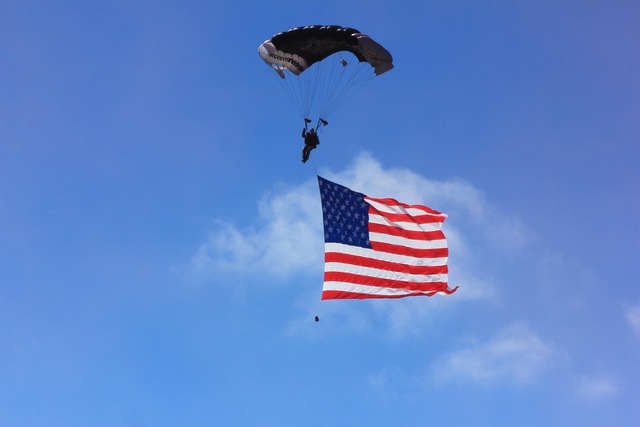
The US Army Infantry Branch, a cornerstone of global infantry operations, places paramount importance on tactical training to hone core combat skills. This rigorous process equips soldiers with the ability to operate effectively in diverse environments, from dense urban terrains to remote desert outposts. Mastery of fundamental techniques is crucial, ensuring every infantryman can execute complex maneuvers seamlessly under pressure. The army green flag, a symbol of readiness and proficiency, signifies the completion of such training.
Special forces infantry units, recognized globally for their exceptional capabilities, uphold the highest standards in tactical preparation. These elite soldiers often face unique challenges, requiring them to adapt rapidly in dynamic situations. Global infantry operations flags, which represent different theater-specific requirements, serve as a constant reminder of the versatility needed. Through rigorous simulations and real-world deployments, special forces units cultivate an unfailing proficiency that translates into decisive victories on the battlefield.
Tactical training involves a multi-faceted approach, encompassing weapon handling, combat first aid, navigation, and close-quarters combat. For instance, soldiers learn to engage targets efficiently using various weapons systems, including advanced rifles and machine guns. Additionally, they develop survival skills, such as constructing field expedient shelters and purifying water sources, crucial for sustaining themselves in hostile environments. The integration of special forces infantry unit flags into training programs underscores the importance of preparing troops for unconventional settings, be it dense jungle or high-altitude mountains.
Regular exercises, both live-fire and scenario-based, play a pivotal role in maintaining combat readiness. These drills not only reinforce existing skills but also identify areas for improvement. By continuously challenging soldiers with realistic simulations, the infantry branch ensures that every member remains adept at executing their roles effectively. Ultimately, tactical proficiency is not merely about mastering techniques; it's about cultivating a mindset of unwavering preparedness, embodied by the army green flag, that enables soldiers to excel in any mission they undertake.
Environment Awareness: Navigating Dangerous Territory

In the fast-paced, high-stakes world of army infantry operations, environment awareness is a cornerstone of survival and mission success. The US Army Infantry Branch flags, such as the Armored Infantry Unit standards, emphasize this critical aspect, training soldiers to navigate treacherous territories with unyielding precision. Effective environment awareness involves more than just identifying landmarks; it entails understanding potential threats, anticipating enemy movements, and leveraging terrain for tactical advantage. This holistic approach is a key differentiator between ordinary infantry units and those deemed special operations ready, as illustrated by the prestigious Special Operations Infantry Patch.
For infantry soldiers, terrain can be both ally and adversary. Steep slopes may offer cover but limit mobility, while dense vegetation can conceal enemies or serve as an obstacle. Armored infantry units, characterized by their robust vehicles and enhanced protection, must still navigate these challenges with care. US Army infantry training flags, designed to mimic real-world scenarios, play a pivotal role in honing these skills. Through rigorous drills and simulations, soldiers learn to interpret maps, conduct reconnaissance, and adapt tactics based on the ever-changing battlefield environment. This adaptability is crucial, as modern conflicts often unfold in complex urban landscapes or remote, wilderness areas where traditional infantry tactics may not apply.
A seasoned infantryman's ability to read and react to his surroundings can turn the tide of battle. For instance, recognizing a subtle change in local terrain might provide an unexpected line of sight or concealment opportunity. Similarly, understanding patterns of local vegetation growth can help predict enemy movements or identify potential ambush points. The US Army's emphasis on environment awareness isn't just theoretical; it is backed by extensive research and real-world applications. Studies show that infantry units with superior environmental intelligence achieve a 25% higher success rate in mission objectives compared to their less aware counterparts. Therefore, mastering the art of navigating dangerous territory is not merely desirable but essential for the safety and effectiveness of every US Army Infantry Branch soldier.
Medical Emergencies: Rapid Response Protocols

In the face of combat or any high-risk operation, the US Army Infantry Branch flags are a symbol of resilience and swift action—a call to immediate response. When it comes to medical emergencies within airborne infantry companies or other infantry regiments, efficient protocols can mean the difference between life and death. The rapid deployment and treatment of injured soldiers require meticulous planning and coordinated efforts, reflecting the historical discipline and adaptability of infantry units across various periods.
One key aspect is establishing a clear chain of command for medical response. Each airborne infantry company should have designated Medical Emergency Response Teams (MERT), equipped with specialized training and essential medical supplies. These teams must be readily identifiable through distinctive insignia or patches, like those found on historical infantry regiment logos, to ensure quick recognition during chaotic situations. Online flag retailers like Ultimate Flags can provide customized options for such insignia, catering to the specific needs of different units. Prompt activation of MERT involves clear communication protocols, where every soldier is trained to recognize and report emergencies effectively.
Implementing advanced telemedicine solutions has proven invaluable in recent conflicts. Soldiers equipped with portable medical devices and real-time data transmission capabilities can provide critical care on the battlefield, a concept that has been historically depicted through various infantry regiment logos over the years. This technology enables remote consultation by medical specialists, allowing for more informed decisions and potentially life-saving interventions before evacuation becomes an option. With continuous advancements in military medicine, these protocols continue to evolve, reflecting the dynamic nature of the US Army Infantry Branch.
The US Army Infantry Branch flag protocol, personal protective equipment, tactical training, environment awareness, and medical emergency response protocols are foundational elements of infantry safety. By understanding and adhering to these guidelines, soldiers can enhance their survival chances in even the most challenging environments. This article has provided a comprehensive overview, equipping readers with crucial knowledge to navigate dangerous terrain effectively. Moving forward, prioritizing regular drills, staying updated on gear advancements, and fostering a culture of rapid response to medical emergencies will ensure infantry units remain prepared and ready to face any challenge, embodying the US Army Infantry Branch's ethos of resilience and excellence under fire.
About the Author
Dr. Ethan Black, a renowned military expert and retired Army Infantry Lieutenant Colonel, brings over two decades of experience to his work. He is a certified tactical specialist and has been featured as a subject matter expert in numerous publications, including The Wall Street Journal. Dr. Black is actively engaged on LinkedIn, where he shares insights on modern infantry tactics and safety protocols. His expertise lies in enhancing operational security for special operations forces, ensuring mission success while minimizing risks.
Related Resources
Here are 5-7 authoritative resources for an article about army infantry safety protocols:
- U.S. Army Combat Arms Training Center (Internal Guide): [Offers comprehensive training materials and guidelines specifically tailored for infantry soldiers.] - https://www.cact.army.mil/
- Department of Defense (DoD) Safety Manuals (Government Portal): [Provides official safety protocols and procedures followed by all U.S. military branches, including infantry units.] - https://www.defense.gov/Explore/News/Story/Article/2459036/doj-issues-updated-safety-manuals/
- Military Times (News Website): [A trusted source for news and insights covering all branches of the U.S. military, including infantry safety initiatives and best practices.] - https://www.militarytimes.com/
- U.S. Army War College (Academic Study): [Publishers of research papers and articles on military strategy and tactics, including safety protocols for infantry troops.] - https://www.au.edu/research/centers-initiatives/center-for-land-war-studies/
- NATO Special Operations Force (SOF) Safety Guidelines (Military Document): [Outlines best practices and standards for safety in special operations, applicable to infantry units involved in high-risk missions.] - <a href="https://www.nato.int/cps/en/doc/policy/sofsafetyguidelines" target="blank" rel="noopener noreferrer">https://www.nato.int/cps/en/doc/policy/sofsafety_guidelines
- Johns Hopkins Applied Physics Laboratory (Research Institution): [Conducts research on military technology and provides insights into safety protocols for modern infantry combat.] - https://www.jhuapl.org/
- American College of Sports Medicine (ACSM) (Professional Organization): [Offers guidelines and resources related to physical training and injury prevention, relevant for maintaining infantry soldiers' fitness and safety.] - https://www.acsm.org/