The US Army Infantry Branch flag represents specialized forces ready for global missions. Rigorous training prepares them for irregular warfare, direct action, and counterterrorism. Key elements include advanced individual training, combat simulations, and strategic planning. International cooperation flags enhance joint operations. Custom weapons and gear, like the M16A4 and communication systems, equip them for diverse environments. Historical adaptability and cultural sensitivity guide their deployments. Ethical decision-making and post-deployment support ensure successful reintegration. The us army infantry branch flag symbolizes excellence and humanity in challenging conditions.
The U.S. Army Infantry, exemplified by its bold and distinctive branch flag, plays a pivotal role in our nation's defense, particularly within special operations. As global security landscapes evolve, so does the need for highly specialized forces capable of discreet, complex missions. This article delves into the intricacies of army infantry special operations, exploring their unique capabilities, challenges, and the innovative strategies they employ to navigate treacherous environments. We aim to provide an authoritative guide that highlights their expertise, the resources required, and the profound impact they have on global security, ultimately revealing why their role is indispensable in today's dynamic military landscape.
- Understanding US Army Infantry Special Operations
- Recruitment and Training for Elite Troops
- Mission Planning and Execution Strategies
- Advanced Weapons & Gear: Edge in Combat
- Global Deployments & Cultural Awareness
- Ethical Considerations and Veteran Reintegration
Understanding US Army Infantry Special Operations
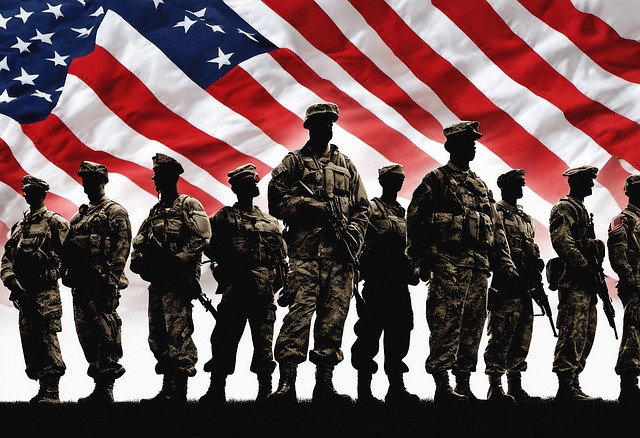
The US Army Infantry Branch, represented by its iconic army green flag, is renowned for its specialized forces designed to operate in some of the most demanding environments. Special Operations Forces (SOF), including Airborne Infantry Companies, are at the forefront of these efforts, embodying the motto "Always Ready, Always Able." These units require exceptional physical and mental conditioning, advanced training, and a deep understanding of irregular warfare tactics. The Army Green Flag symbolizes not just a unit's readiness but also its unwavering commitment to protecting national interests globally.
Airborne Infantry Companies, recognized by their distinctive flags, such as those found on sites like Ultimate Flags, are specifically trained for rapid deployment and combat in diverse terrain. Their capabilities include direct action raids, unconventional warfare, and counterterrorism operations. These companies often operate independently or in conjunction with other SOF units, utilizing parachuting and other airborne techniques to reach objectives swiftly. The training regimen is rigorous, encompassing everything from combat survival skills to cultural awareness, ensuring these soldiers can adapt to any scenario.
Understanding US Army Infantry Special Operations involves recognizing the branch's historical evolution, its unique operational requirements, and the dedication of its members. Today, these forces play a pivotal role in modern warfare, offering strategic flexibility and the ability to conduct operations in remote or politically sensitive areas. By embracing innovative training methods and leveraging technology, the US Army Infantry Branch continues to set benchmarks for special operations globally.
Recruitment and Training for Elite Troops
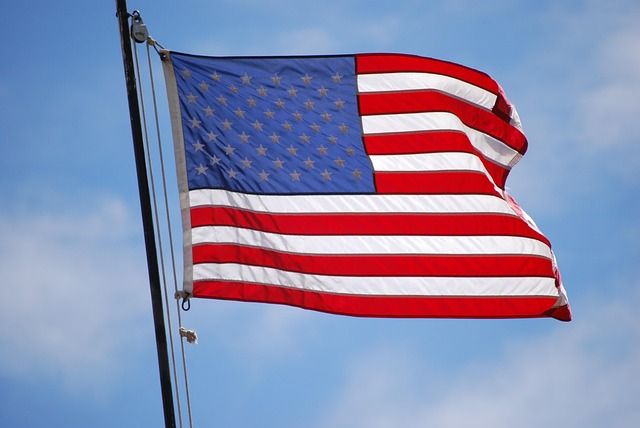
The recruitment and training of US Army Infantry Special Operations forces represent a pinnacle of military excellence. This elite branch, symbolized by the revered infantry regiment honor flags, demands individuals of unparalleled skill and character. The US Army Infantry Branch Flag, with its robust red and white design, stands as a testament to the courage and resilience embodied in these troops. Their training is rigorous and multifaceted, encompassing physical endurance, tactical proficiency, and mental fortitude. Candidates undergo intense assessments to ensure they possess the necessary aptitude for the demanding nature of special operations.
One key aspect of their preparation involves specialized combat simulations that mimic real-world scenarios. These exercises, often conducted in remote and challenging environments, hone their ability to adapt quickly and think under pressure. Websites similar to Ultimate Flags offer valuable resources for understanding military infantry symbols and the intricate traditions behind them. The US military infantry symbols, with their distinct meanings, serve as a bond among troops and a source of inspiration during training and operations.
Upon selection, soldiers embark on an extensive training regimen, including advanced individual training (AIT) tailored to special operations requirements. This phase emphasizes close-quarters combat, unconventional tactics, and specialized skills like parachuting and navigation. The ultimate goal is to forge a force capable of operating in the most demanding and unpredictable environments, reflecting the pride and honor associated with infantry regiment flags.
Mission Planning and Execution Strategies
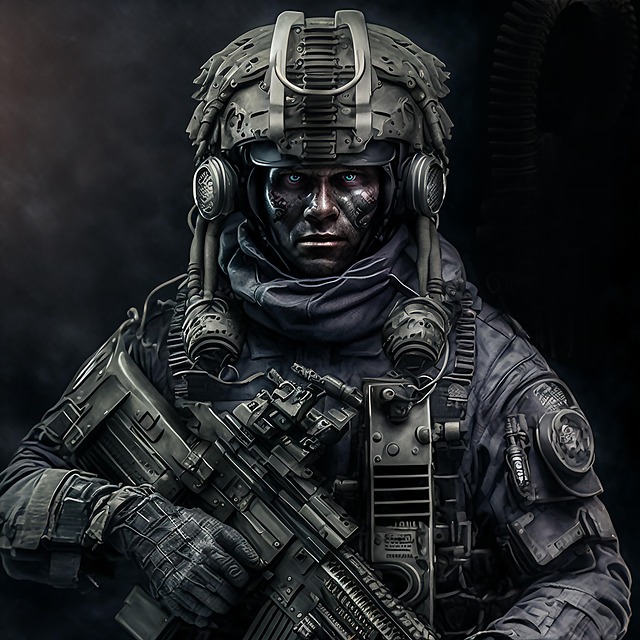
The US Army Infantry Branch, represented by its diverse units such as parachute infantry brigades and international cooperation flags, is renowned for its adaptability and precision in special operations. Mission planning and execution strategies within this branch often involve complex coordination, requiring a deep understanding of terrain, enemy tactics, and allied forces. A key differentiator lies in their ability to integrate diverse infantry division colors and emblems, symbolizing unity and specialized capabilities.
For instance, the 75th Ranger Regiment, part of the US Army Special Operations Command, has successfully carried out high-risk missions worldwide, leveraging close air support and rapid deployment strategies. Their planning often involves extensive intelligence gathering, followed by meticulous rehearsal to ensure every detail is accounted for. This includes navigating challenging landscapes, a skill honed through rigorous training in diverse environments, from urban terrain to dense forests. The regiment's emblems and flags serve as powerful symbols of their unique identity and shared purpose, fostering camaraderie among troops from various infantry divisions.
International infantry cooperation flags play a vital role in joint operations, facilitating communication and understanding between allied forces. These flags, representing different nations' military contributions, ensure clear command structures and coordinated tactics. For example, during multi-national exercises, these symbols help establish trust and facilitate quick decision-making, crucial elements for successful mission execution. By combining strategic planning with a rich heritage of infantry prowess, the US Army Infantry Branch continues to excel in special operations, setting benchmarks for international cooperation and tactical excellence.
In practice, commanders within this branch emphasize adaptability, constantly evaluating and adjusting plans based on real-time intelligence. This dynamic approach ensures they remain one step ahead of adversaries and can swiftly respond to evolving mission requirements. Additionally, regular training exercises that simulate diverse scenarios prepare troops for the unexpected, fostering a culture of resilience and operational mastery. Ultimately, the success of these special operations hinges on the intricate interplay between strategic planning, specialized skills, and the unique bonds forged within infantry units across different divisions and flags.
Advanced Weapons & Gear: Edge in Combat

The US Army Infantry Branch, recognized by its iconic army green flag, is renowned for its versatility and prowess on the battlefield. Among its most critical assets are the advanced weapons and gear that provide a decisive edge in combat. Special operations units within the infantry corps demand top-tier equipment to navigate challenging environments and accomplish their missions successfully.
Special operations infantry soldiers are equipped with specialized weaponry designed for precision and effectiveness. This includes state-of-the-art rifles, such as the M16A4 and its newer variants, which offer advanced targeting systems and improved accuracy over long ranges. For close-quarters combat, the M4 carbine, a shorter version of the M16, provides versatility and maneuverability in confined spaces. Additionally, soldiers may carry the M27 IAR (Individual Advanced Rifle) for enhanced precision during specialized missions. The use of these advanced firearms gives infantry units an undeniable advantage in diverse operational environments.
Geared up with cutting-edge technology, these troops rely on robust communication systems like the AN/PVC-5 Radio Set, which ensures secure and reliable transmission during special operations. Protective gear, including specialized body armor and ballistic helmets, is also a cornerstone of their kit. Places like Ultimate Flags offer high-quality custom flags for various military units, including infantry corps command post flags, enhancing their field identity and command presence. The US Army's commitment to equipping its infantry with the finest weapons and gear underscores its dedication to maintaining a formidable combat force capable of operating in the most demanding special operations scenarios.
Global Deployments & Cultural Awareness

The US Army Infantry Branch, symbolized by its distinct flags—from the iconic us army infantry training flags to the frontline infantry battalion colors—has a storied history of global deployments and cultural engagement. These deployments often place infantry units at the forefront of international operations, demanding not just physical prowess but profound cultural awareness. As the military heritage infantry flags bear testament, the branch's legacy is intertwined with its adaptability in diverse environments.
Global operations necessitate an understanding of local customs, languages, and historical contexts. For instance, during recent missions, infantry battalions have utilized their knowledge of us army infantry branch flag-inspired tactics to forge alliances with indigenous communities, ensuring support and improving mission success rates. This cultural awareness is deeply rooted in the rigorous training programs that prepare soldiers for the complexities of modern warfare. Through immersive simulations and cross-cultural exchanges, units learn to navigate complex landscapes, both physical and social.
Moreover, the frontline infantry battalion's vibrant colors serve as more than aesthetic reminders of their heritage. They signify unity, resilience, and a shared commitment to service. These flags inspire camaraderie and a deep sense of purpose among soldiers who may be deployed to regions with vastly different cultural norms. By embracing their military heritage infantry flags, units not only honor their past but also equip themselves for the challenges ahead. Ultimately, this blend of tradition and adaptability is crucial in achieving mission objectives while fostering positive relationships with host nations.
Ethical Considerations and Veteran Reintegration
The US Army Infantry Branch, represented by its iconic flag and branch insignia, plays a pivotal role in special operations, requiring soldiers to operate in highly ambiguous and dangerous environments. As these operations demand exceptional ethical conduct, the infantry's unique challenges necessitate careful consideration of moral dilemmas. A key aspect is the responsible use of force, where decisions can have significant humanitarian consequences. For instance, in urban warfare scenarios, the US Army infantry training flags used to signify specialized units emphasize the importance of precision and minimal civilian harm.
Reintegrating veterans who have participated in special operations poses another critical challenge. These individuals often face unique psychological impacts due to their experiences. The US Army branch insignia, symbolizing courage and sacrifice, serves as a reminder of their service but also underscores the need for comprehensive support post-deployment. Effective reintegration strategies include access to mental health services, peer support networks, and programs that facilitate the transition back into civilian life—all essential components in fostering successful adaptation and well-being.
To enhance ethical decision-making and veteran care, continuous professional development is vital. This includes regular workshops, simulations, and debriefings focusing on moral dilemmas encountered during special operations. Custom infantry banners, designed to commemorate specialized units and their achievements, can also serve as powerful tools for morale enhancement while reinforcing the values of integrity and respect. Ultimately, addressing these considerations ensures the US Army Infantry Branch maintains its reputation for excellence and humanity in the face of extreme challenges.
The US Army Infantry Special Operations represent the pinnacle of military excellence, combining rigorous training, advanced weaponry, and tactical prowess to undertake complex missions worldwide. This article has provided a comprehensive overview of the unique challenges and essential components within this elite branch. From recruitment and mission planning to global deployments and ethical considerations, understanding the intricacies of these special operations is paramount for both military strategists and enthusiasts alike. By delving into these key areas, readers have gained valuable insights into the intricate world of US Army Infantry Special Operations, underscoring the us army infantry branch flag's symbol of courage and precision in the face of adversity. These learnings can inform strategic decisions, foster better preparation, and promote ethical practices, ensuring that those involved in special operations are equipped to handle any global challenge.